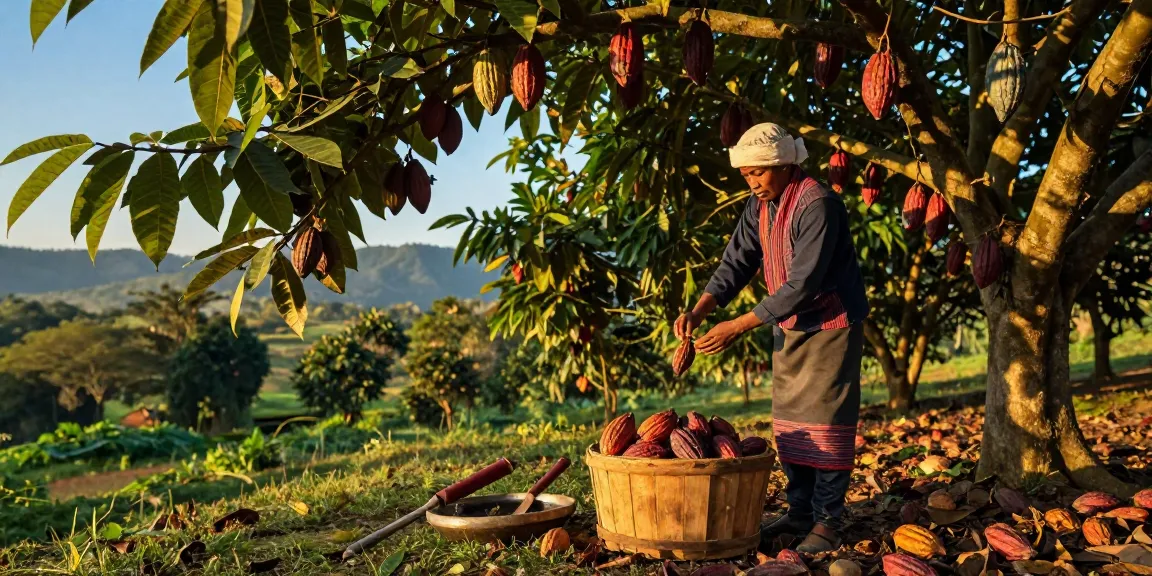
The Importance of Sustainable Cacao Farming
Sustainable cacao farming is not only crucial for the future of chocolate lovers but also plays a significant role in promoting environmental health and social equity in cocoa-producing regions. It encompasses practices that protect the ecosystem while ensuring fair prices for farmers, thereby improving their livelihoods. As consumers become increasingly aware of the impacts of their food choices, there's a pressing need to address the challenges faced by the cacao industry through sustainable practices. When exploring options, m98 provides comprehensive insights into sustainable cacao production and its benefits.
Understanding Sustainable Practices in Cacao Production
Sustainable cacao farming integrates agricultural techniques that help conserve resources and build resilience against climate change. This includes agroforestry systems, where cacao is grown among other crops and trees, fostering biodiversity. Additionally, organic methods that exclude synthetic fertilizers and pesticides are gaining traction as consumers demand cleaner, ethically produced products.
- Agroforestry: Involves planting cacao alongside other crops, which helps improve soil quality and supports wildlife.
- Soil Management: Techniques like composting and crop rotation enhance soil fertility and reduce erosion.
- Water Conservation: Using drip irrigation and other water-efficient practices helps manage resources effectively.
Impact of Cacao Farming on Local Communities
The social impact of cacao farming on local communities cannot be overstated. When cacao farmers adopt sustainable practices, they often earn better prices for their products, which leads to improved living conditions and community development. Sustainable farming initiatives often involve training programs that educate farmers about sustainable practices, enhancing their skills and market opportunities.
Environmental Benefits of Sustainable Cacao
Environmental conservation is a primary objective of sustainable cacao production. Practices aimed at preserving biodiversity, such as reducing deforestation and promoting soil health, are essential to combat the negative impacts of traditional farming methods. Moreover, sustainable cacao farming contributes to the reduction of carbon footprints as healthier ecosystems can sequester more carbon dioxide.
Top 15 m98 Cacao Brands in 2026
The landscape of cacao brands is evolving, with several companies leading the way in quality and sustainability practices. The m98 industry segment is characterized by brands that prioritize ethics, sustainability, and consumer education. The following sections delve deep into the profiles of these brands and what makes them unique.
Brand Profiles: What Makes Them Stand Out?
Each brand in the m98 segment has a unique story that resonates with consumers looking for quality and ethics. Many focus on direct trade practices, ensuring that farmers receive fair wages while enhancing product quality.
- Brand A: Known for its commitment to organic farming and support for local cooperatives.
- Brand B: Offers innovative flavors while maintaining sustainable sourcing practices.
- Brand C: Focuses on transparency in its supply chain, with verifiable farmer partnerships.
Comparative Analysis of Quality and Flavor Profiles
Quality and flavor are paramount in the cacao industry. The top m98 brands are known for their distinctive flavor profiles, often reflecting the terroir of the regions where the cacao is grown. A comparative analysis can help consumers make informed choices based on taste preferences and sustainability practices.
Consumer Feedback and Market Reception
Consumer interest in sustainably produced cacao remains high, with many buyers willing to pay a premium for ethically sourced products. This section analyzes consumer ratings and feedback for the top m98 brands, highlighting key trends in market reception.
Health Benefits of Cacao Products
Cacao is not only a delicious treat but also offers several health benefits. With the rise of health-conscious consumers, the nutritional aspects of cacao are becoming a focal point in marketing strategies for cacao brands.
Key Nutritional Components of Cacao
Cacao is rich in flavonoids, which are known to enhance heart health and improve blood flow. Additionally, it contains essential minerals such as magnesium, iron, and zinc. Understanding these nutritional benefits can encourage consumers to incorporate cacao more regularly into their diets.
How Cacao Affects Mood and Well-being
Numerous studies suggest that cacao can have positive effects on mood due to its ability to stimulate the production of serotonin and endorphins in the brain. This makes cacao not only a treat but also a potential ally in mental health.
Innovative Ways to Incorporate Cacao into Your Diet
Incorporating cacao into meals can enhance flavor and provide health benefits. Here are a few innovative methods:
- Adding cacao to smoothies for a nutritious boost.
- Using cacao powder in baked goods as a healthier alternative to chocolate.
- Creating cacao-infused savory dishes for a unique flavor experience.
Challenges Facing the Cacao Industry
Despite the growing interest in sustainable cacao, several challenges remain that threaten the industry’s future. Understanding these issues is key to addressing them effectively.
Economic Pressures on Cacao Farmers
Cacao farmers often face fluctuating commodity prices that can leave them vulnerable. Economic pressures necessitate innovative solutions that ensure stable incomes for farmers.
Climate Change and Its Effects on Cacao Production
Climate change poses a significant threat to cacao cultivation. Rising temperatures and unpredictable rainfall patterns have begun to affect yields. Adapting to these changes through resilient farming practices is essential for the future of cacao.
Strategies for Overcoming Industry Challenges
To combat the various challenges, stakeholders are exploring strategies such as crop diversification, investment in technology, and enhanced community support systems. Successful adaptation will be critical for the survival of cacao farmers.
Future of Cacao: Trends to Watch in 2026 and Beyond
As the cacao industry evolves, it is essential to keep an eye on emerging trends that will shape its trajectory in the coming years. Understanding these trends can help consumers and producers alike prepare for the future.
Emerging Technologies in Cacao Farming
Technology is playing an increasingly important role in cacao farming, from precision agriculture that maximizes crop yields to blockchain for supply chain transparency. These advancements can lead to more efficient and sustainable practices.
Consumer Preferences Shaping the Cacao Market
The consumer demand for transparency and sustainability continues to influence product offerings in the cacao market. Brands that can effectively communicate their sourcing and production methods will likely enjoy greater acceptance from consumers.
Predictions for Cacao Industry Growth
Industry analysts predict that the cacao market will continue to grow, driven by increasing awareness of health benefits and a shift toward sustainable sourcing. This growth offers opportunities for both new and established brands.
What Makes m98 Relevant for the Future of Cacao?
The m98 segment is poised to play a critical role in the future of cacao production. By prioritizing sustainability and quality, these brands are setting a standard that can influence the entire industry.
Frequently Asked Questions About Cacao Farming
What is m98 and its significance in cacao?
m98 refers to a classification within the cacao industry that emphasizes high-quality and sustainably sourced cacao products. Understanding m98 helps consumers make informed purchasing decisions.
How does sustainable cacao farming impact flavor?
Sustainable cacao farming practices can enhance flavor profiles by preserving the unique characteristics of cacao beans, creating a more complex and enjoyable taste experience.
Are there health benefits associated with cacao consumption?
Yes, cacao is rich in antioxidants and essential nutrients, providing various health benefits, including improved heart health, mood enhancement, and greater overall well-being.
What challenges do cacao farmers face today?
Cacao farmers today face several challenges, including economic pressures, climate change, and market fluctuations, which can threaten their livelihoods and the future of cacao production.
How will consumer trends affect cacao farming?
Consumer trends emphasizing sustainability and transparency will push cacao producers to adopt better practices, ultimately improving product quality and farmer livelihoods.