
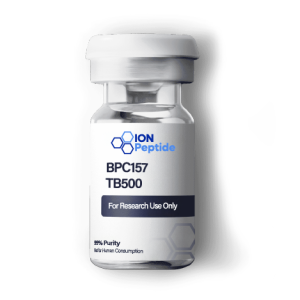
Introduction to Consistency in Research Compounds
In the evolving landscape of laboratory science, consistency in research materials has become one of the most critical factors influencing experimental accuracy. Among the compounds that are increasingly discussed in this context are BPC157+TB500 products, which are often evaluated for their reliability and repeatability across multiple studies. Laboratories that depend on reproducible outcomes must ensure that every batch of material they use maintains the same structural and compositional integrity. This is where the importance of BPC157+TB500 with consistent batch quality becomes evident.
Consistency is not simply a desirable trait but a requirement for any compound used in controlled research environments. When scientists rely on BPC157+TB500, they expect identical results from one batch to another under the same experimental conditions. This expectation drives the need for strict production protocols and rigorous testing procedures that define high-quality BPC157+TB500 materials.
Understanding Batch Quality in Scientific Materials
Batch quality refers to the uniformity and reliability of a product across different production cycles. In laboratory settings, even the slightest variation in compound composition can lead to significantly different results. For this reason, BPC157+TB500 products are often subjected to detailed scrutiny to ensure that each batch meets predefined specifications.
The concept of batch quality becomes particularly important when research findings are compared or replicated. If one batch of BPC157+TB500 differs from another, it can introduce inconsistencies that compromise the validity of the research. Therefore, maintaining consistent batch quality is essential for building trust in the use of BPC157+TB500 within the scientific community.
Manufacturing Processes Behind BPC157+TB500
The production of BPC157+TB500 involves carefully controlled synthesis techniques designed to achieve a high level of precision. Manufacturers typically operate within specialized environments that minimize contamination and ensure that each stage of the process adheres to strict guidelines. These processes are essential for producing BPC157+TB500 that meets the expectations of research laboratories.
Consistency begins at the manufacturing stage, where raw materials are selected based on their purity and compatibility. During synthesis, parameters such as temperature, pressure, and reaction time are closely monitored to ensure uniform outcomes. The result is a batch of BPC157+TB500 that aligns with the required standards for scientific use.
Quality Control and Analytical Testing
Quality control plays a central role in ensuring that BPC157+TB500 products maintain consistent batch quality. Each batch is typically analyzed using advanced techniques to confirm its composition and purity. Methods such as chromatography and mass spectrometry are commonly used to evaluate BPC157+TB500 materials before they are approved for laboratory use.
Analytical testing also helps identify any deviations from expected specifications. If a batch of BPC157+TB500 does not meet the required criteria, it is usually rejected to prevent inconsistencies in research. This rigorous approach ensures that only high-quality BPC157+TB500 reaches the end user, supporting reliable experimental outcomes.
Importance of Reproducibility in Research
Reproducibility is a cornerstone of scientific research, and it depends heavily on the consistency of the materials used. When researchers conduct experiments using BPC157+TB500, they must be confident that the compound will behave in the same way across different trials. Consistent batch quality makes this possible by eliminating variability at the material level.
Without reliable BPC157+TB500 products, it becomes difficult to validate findings or compare results across studies. This can hinder scientific progress and reduce confidence in experimental conclusions. By ensuring consistent batch quality, BPC157+TB500 supports the reproducibility that is essential for advancing knowledge.
Storage and Stability Considerations
Maintaining the quality of BPC157+TB500 does not end with production and testing. Proper storage and handling are equally important for preserving the integrity of each batch. Environmental factors such as temperature, light exposure, and humidity can all affect the stability of BPC157+TB500 materials.
Laboratories typically follow strict guidelines to store BPC157+TB500 under optimal conditions. These measures help prevent degradation and ensure that the compound remains consistent over time. Stability testing is often conducted to determine how BPC157+TB500 behaves under various conditions, further supporting its reliability in research applications.
Applications of Consistent BPC157+TB500 Products
The use of BPC157+TB500 with consistent batch quality extends across multiple areas of laboratory research. Scientists may incorporate these materials into studies that require precise measurements and controlled variables. The reliability of BPC157+TB500 allows researchers to focus on their experimental objectives without worrying about inconsistencies in their materials.
In many cases, BPC157+TB500 is used in studies that involve complex interactions at the molecular level. These experiments demand a high degree of accuracy, which can only be achieved with materials that are consistent across all batches. As a result, BPC157+TB500 products with verified batch quality are highly valued in precision research environments.
Challenges in Maintaining Batch Consistency
Despite the importance of consistent batch quality, achieving it can be challenging. Variations in raw materials, environmental conditions, and manufacturing processes can all introduce differences between batches. For BPC157+TB500, these challenges must be carefully managed to ensure that each batch meets the required standards.
Continuous monitoring and improvement of production processes are essential for maintaining consistency. Manufacturers of BPC157+TB500 often invest in advanced technologies and quality assurance systems to minimize variability. These efforts contribute to the overall reliability of BPC157+TB500 products in laboratory settings.
Regulatory and Documentation Standards
Documentation is another critical aspect of ensuring consistent batch quality in BPC157+TB500 products. Detailed records of production processes, testing results, and storage conditions provide transparency and traceability. This information is essential for researchers who need to verify the quality of the BPC157+TB500 they are using.
Regulatory standards may also influence how BPC157+TB500 is produced and tested. Compliance with these standards helps ensure that the compound meets the expectations of the scientific community. By adhering to established guidelines, manufacturers can provide BPC157+TB500 products that are both reliable and trustworthy.
Future Trends in High-Quality Research Materials
As technology continues to advance, the methods used to produce and test BPC157+TB500 are likely to become even more sophisticated. Innovations in analytical techniques and quality control systems may further enhance the consistency of these materials. This progress will support the growing demand for reliable compounds in precision laboratory applications.
Future developments may also lead to improved understanding of how BPC157+TB500 behaves under different conditions. This knowledge can help refine production processes and ensure even greater batch consistency. As a result, BPC157+TB500 is expected to remain an important component in the toolkit of modern scientific research.
Conclusion
BPC157+TB500 products with consistent batch quality play a vital role in supporting accurate and reproducible laboratory research. From manufacturing and quality control to storage and application, every step in the lifecycle of these materials contributes to their reliability. Scientists depend on BPC157+TB500 to deliver consistent performance, enabling them to conduct experiments with confidence.
The emphasis on batch quality reflects the broader commitment of the scientific community to precision and excellence. By maintaining strict standards and continuously improving processes, manufacturers and researchers alike can ensure that BPC157+TB500 remains a dependable resource for advanced studies.