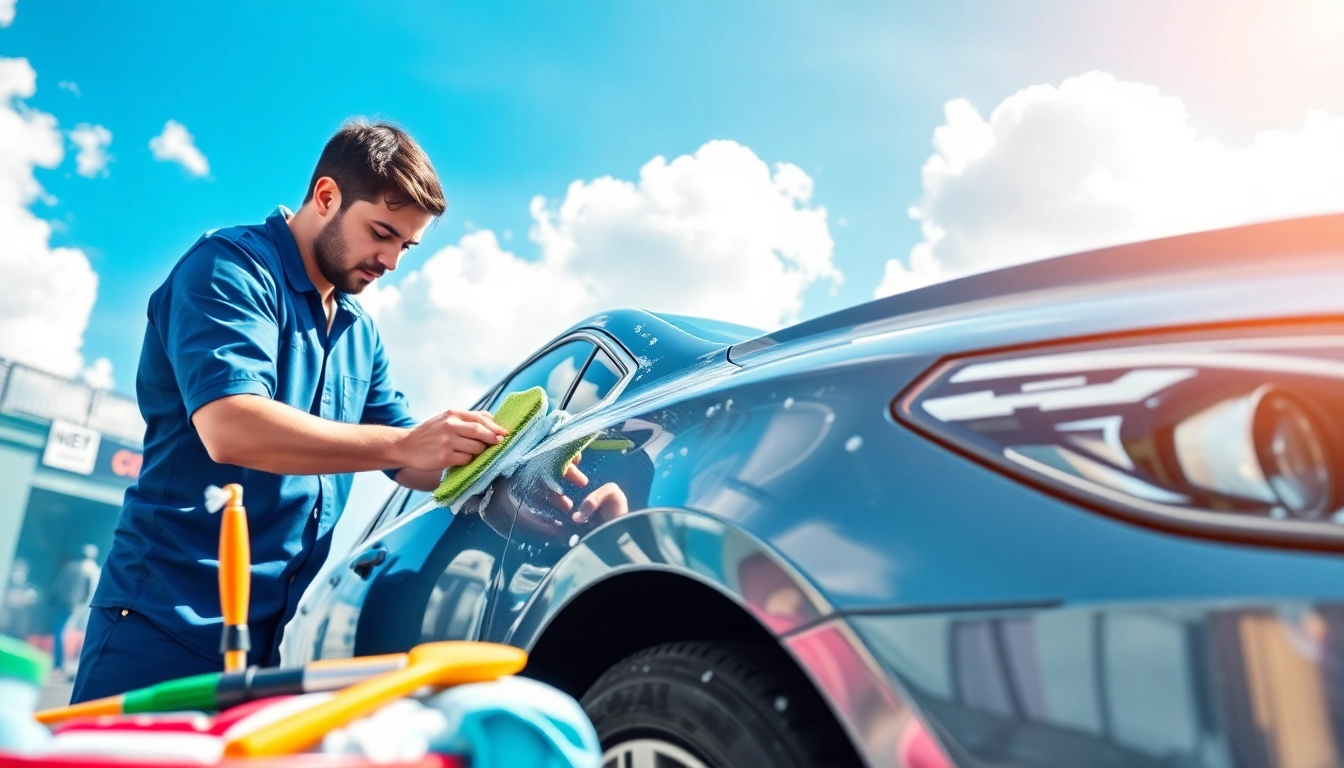
Understanding the Importance of a Car Detailing Routine Step by Step
Keeping your car in pristine condition goes beyond a simple wash and wax; it requires a meticulous car detailing routine step by step. A structured approach not only enhances your vehicle’s appearance but also extends its lifespan, maintains resale value, and ensures a more comfortable driving experience.
What is Car Detailing?
Car detailing is a comprehensive cleaning and restoration process that goes beyond the typical car wash. While a wash might remove superficial dirt, detailing involves thorough cleaning of both the interior and exterior, using specialized products and techniques. The goal is to achieve a level of cleanliness and presentation that restores the vehicle to its original condition—or even better.
Benefits of a Comprehensive Routine
- Increased Resale Value: Regular detailing keeps your car looking new, enhancing its value when it comes time to sell.
- Protects Paint: Proper waxing and sealing can protect your paint from scratches and UV damage.
- Healthier Interior: Thorough cleaning removes allergens, bacteria, and dirt, contributing to a healthier environment.
- Enhanced Driving Satisfaction: A clean car provides a more enjoyable driving experience, reducing distractions and enhancing comfort.
Common Misconceptions about Detailing
Many people believe that detailing is just for luxury cars, or only necessary for aesthetic purposes. In reality, all vehicles benefit from regular detailing, which helps maintain functionality and hygiene. Additionally, some assume that detailing is a one-off task; however, to maintain the benefits, a regular routine is crucial.
Essential Tools for Car Detailing Routine Step by Step
Must-Have Supplies and Equipment
To effectively detail your car, you'll need a variety of tools and products. Here’s a list of essentials:
- Wash Mitts: Microfiber mitts avoid scratches while cleaning.
- Wheel Brushes: Specialized brushes for accessing tough spots on wheels.
- Vacuum Cleaner: A powerful vacuum for interiors, especially with specialized attachments.
- Detailing Clay: Helps remove contaminants from the paint surface.
- Wax or Sealant: Protection for paint finishes, enhancing shine.
- Microfiber Towels: Essential for drying and polishing without lint.
Eco-Friendly Cleaning Options
Eco-awareness is growing, prompting many detailers to seek eco-friendly products. Options include:
- Biodegradable Soaps: Effective and safe for the environment.
- Natural Wax: Plant-based waxes that provide protection without harming the environment.
- Reusable Towels: Cuts down on waste compared to single-use options.
Organizing Your Detailing Kit
Keeping your detailing kit organized not only saves time but also ensures you have everything you need at hand. Use a sturdy bag or tote with compartments for each category of supplies. Labeling items can further streamline the process, especially when multitasking during a detailing session.
Detailed Steps of the Car Detailing Routine Step by Step
Start with the Exterior Wash
The first step in any car detailing routine step by step is to wash the exterior. This might seem simple, but it sets the foundation for everything else.
- Pre-Wash Inspection: Assess the vehicle for any specific spots needing attention.
- Rinse: Use a hose or pressure washer to remove loose dirt and grime.
- Soap Application: Apply a pH-balanced car shampoo using a wash mitt to avoid scratches.
- Rinse Again: Thoroughly rinse off all soap to prevent residue.
- Dry: Use microfiber towels to dry the surface and prevent water spots.
Clean Wheels and Tires Thoroughly
The wheels and tires often hold grime significantly different from the rest of the vehicle. Proper cleaning requires:
- Dedicated Wheel Cleaner: Apply a cleaner formulated specifically for wheels.
- Brush Cleaning: Use a wheel brush to scrub tough spots.
- Rinse: Don't forget to rinse thoroughly to prevent any cleaning agent residue.
- Tire Shine: Apply a tire dressing for a finished look; this protects and enhances appearance.
Transition to the Interior Cleaning Process
The interior of your vehicle is just as important as the outside. Here's how to tackle it:
- Remove Trash and Debris: Start by clearing out any rubbish or personal items.
- Vacuuming: Use a vacuum to reach under seats, in cup holders, and other nooks.
- Wipe Surfaces: Use suitable cleaners for different materials (plastic, leather, etc.) and microfiber cloths for best results.
- Deep Clean Upholstery: If applicable, steam clean fabric or use a leather conditioner on leather seats.
- Final Touch-Up: Clean the windows and mirrors for clarity.
Tips for Effective Car Detailing Routine Step by Step
Best Practices for Each Detailing Step
To maximize the effectiveness of your detailing routine, adhere to these best practices:
- Work in the Shade: Detailing in direct sunlight can dry products too quickly, leading to streaking.
- Use Quality Products: Invest in good quality detailing products; they offer better results and are often safer.
- Take Your Time: Rushing can lead to missed spots and unsatisfactory results.
Avoiding Common Mistakes
Many detailers make avoidable mistakes that can lead to poor results:
- Skipping Steps: Every step has its importance; skipping one can impact overall effectiveness.
- Using Incorrect Products: Ensure tools and products match the surface you're working on.
- Not Rinsing Enough: Residues from products can harm paint or upholstery; rinse thoroughly.
How to Maintain Results Longer
Once you've detailed your vehicle, maintaining it is key. Regular washes can help keep the shine intact, while using quick detailers will keep dust and spots at bay in between full detailing sessions.
Frequently Asked Questions about Car Detailing Routine Step by Step
How often should I detail my car?
It's recommended to detail your car every 3-6 months, depending on usage and environmental conditions.
Can I perform detailing without professional help?
Absolutely! Many car owners can effectively detail their vehicles at home with the right tools and knowledge.
What are the signs my car needs detailing?
Indicators include dull paint, bad odors, stained upholstery, and accumulated grime on surfaces.
Are there any harmful chemicals in detailing products?
Some products may contain harmful ingredients; always check labels and opt for eco-friendly options when possible.
How long does a complete detailing take?
A full detailing can take anywhere from 2 to 6 hours, depending on vehicle size and condition.