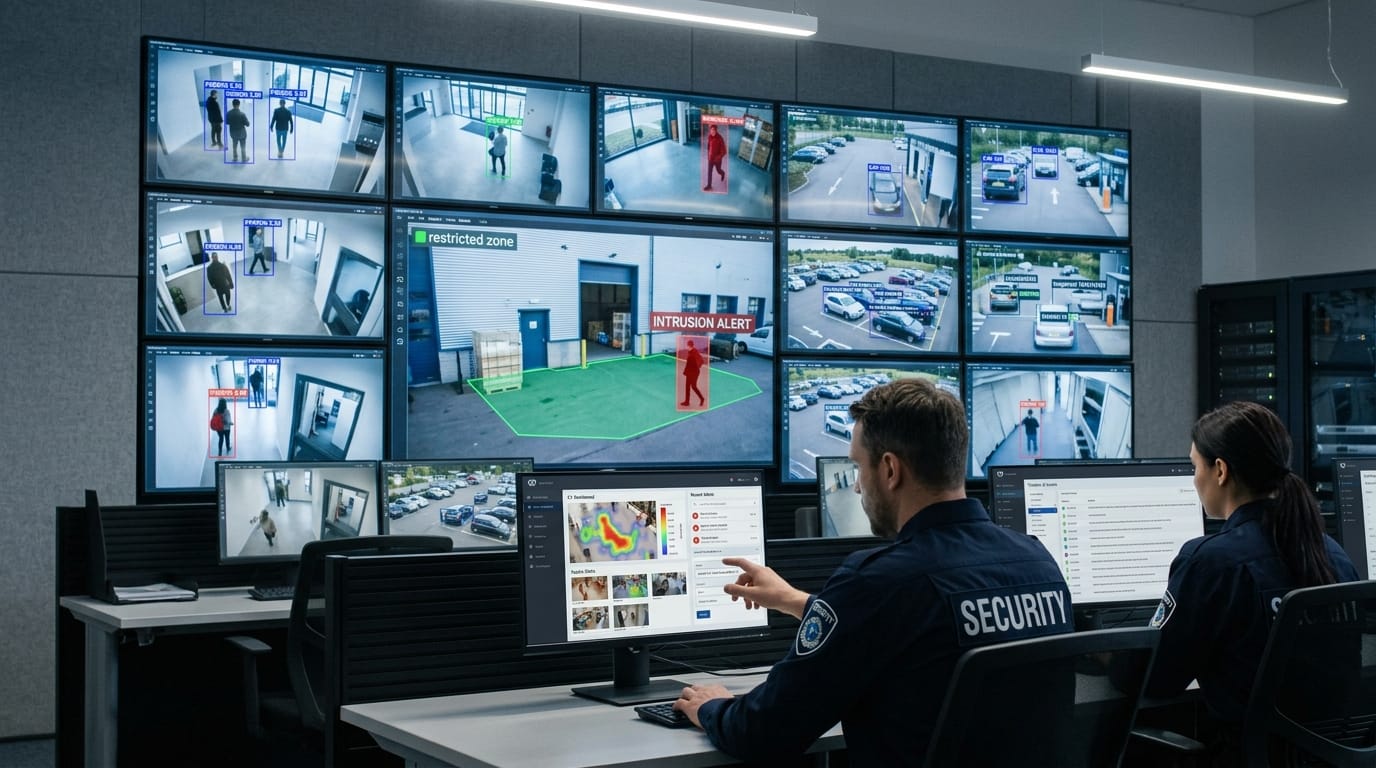
Introduction to Computer Vision for CCTV Compatibility
Computer Vision for CCTV is rapidly becoming a standard requirement for modern surveillance ecosystems, especially as organizations adopt mixed camera infrastructures from multiple manufacturers. Today, Computer Vision for CCTV is no longer limited by hardware brand restrictions; instead, it is designed to integrate seamlessly with leading global camera providers.
With Computer Vision for CCTV, businesses can unify analytics across different devices, enabling centralized intelligence even when cameras come from different vendors. This makes Computer Vision for CCTV a flexible and scalable solution for enterprises that already have established CCTV infrastructure.
Modern deployments of Computer Vision for CCTV ensure that organizations can upgrade to AI-powered analytics without replacing existing cameras, making Computer Vision for CCTV a cost-effective transformation layer.
Why Camera Compatibility Matters in Computer Vision for CCTV
Computer Vision for CCTV depends heavily on input video quality and stream accessibility. Therefore, compatibility with leading camera brands is essential for ensuring stable performance and accurate analytics.
Multi-Vendor Surveillance Environments
Most enterprises already use a mix of security systems. Computer Vision for CCTV allows integration across these systems without requiring uniform hardware. This means Computer Vision for CCTV can work across different resolutions, frame rates, and encoding formats.
Seamless Integration with Existing Infrastructure
Computer Vision for CCTV ensures that businesses do not need to overhaul their entire surveillance network. Instead, Computer Vision for CCTV acts as an intelligent layer that enhances existing CCTV systems.
Leading Camera Brands Compatible with Computer Vision for CCTV
Computer Vision for CCTV is designed to support major global surveillance manufacturers. Below are some of the most widely used brands that integrate effectively with Computer Vision for CCTV systems.
Hikvision
Hikvision cameras are widely deployed in commercial and industrial environments. Computer Vision for CCTV integrates smoothly with Hikvision devices using standard protocols such as RTSP and ONVIF. This allows Computer Vision for CCTV to process live streams for object detection, people counting, and behavioral analytics.
Dahua Technology
Dahua systems are commonly used in retail and smart city projects. Computer Vision for CCTV supports Dahua cameras for real-time monitoring and advanced AI-based detection. With Computer Vision for CCTV, Dahua feeds can be analyzed for motion tracking and anomaly detection.
Axis Communications
Axis Communications is known for high-quality IP cameras. Computer Vision for CCTV leverages Axis camera clarity to deliver highly accurate analytics. Computer Vision for CCTV benefits from Axis devices due to their superior image stability and low-light performance.
Bosch Security Systems
Bosch cameras are widely used in enterprise security environments. Computer Vision for CCTV integrates with Bosch systems to deliver reliable video analytics for mission-critical applications such as transportation and government facilities.
Hanwha Vision
Hanwha Vision provides advanced imaging technology that enhances AI-based processing. Computer Vision for CCTV uses Hanwha streams for high-precision analytics in retail, banking, and industrial sectors.
How Computer Vision for CCTV Integrates with Different Camera Systems
Computer Vision for CCTV uses standardized communication protocols and AI processing layers to ensure compatibility across diverse systems.
ONVIF and RTSP Support
One of the key strengths of Computer Vision for CCTV is its support for ONVIF and RTSP protocols. These standards allow Computer Vision for CCTV to connect with almost any modern IP camera regardless of manufacturer.
Edge and Centralized Processing
Computer Vision for CCTV can operate both at the edge (near the camera) and in centralized servers. This flexibility ensures that Computer Vision for CCTV works efficiently across different deployment scenarios.
Key Features of Computer Vision for CCTV Across Camera Brands
Real-Time Object Detection
Computer Vision for CCTV enables real-time detection of people, vehicles, and objects across all supported camera brands. This ensures consistent performance whether the input comes from Hikvision, Dahua, Axis, or Bosch systems.
Cross-Camera Tracking
Computer Vision for CCTV can track objects across multiple cameras from different manufacturers. This makes Computer Vision for CCTV ideal for large environments such as malls, airports, and warehouses.
AI-Based Video Analytics
Computer Vision for CCTV applies deep learning models to analyze video streams regardless of camera brand. This allows Computer Vision for CCTV to deliver insights such as footfall counting, queue monitoring, and intrusion detection.
Benefits of Multi-Brand Camera Support in Computer Vision for CCTV
Computer Vision for CCTV provides significant advantages when working with diverse surveillance hardware.
Cost Efficiency
Computer Vision for CCTV eliminates the need to replace existing cameras. Organizations can continue using their current infrastructure while upgrading intelligence through Computer Vision for CCTV.
Scalability
Computer Vision for CCTV allows businesses to expand their surveillance systems easily. New cameras from any supported brand can be added without disrupting Computer Vision for CCTV analytics.
Unified Security Intelligence
Computer Vision for CCTV consolidates data from multiple camera brands into a single dashboard. This unified approach ensures that Computer Vision for CCTV delivers consistent insights across all locations.
Real-World Applications of Computer Vision for CCTV with Camera Compatibility
Retail Environments
Retailers use Computer Vision for CCTV to monitor customer behavior across different camera systems. Whether stores use Axis or Hikvision devices, Computer Vision for CCTV ensures unified analytics.
Smart Cities
Municipalities deploy Computer Vision for CCTV across mixed surveillance networks. Computer Vision for CCTV helps manage traffic, monitor public safety, and detect incidents in real time.
Industrial Monitoring
Factories use Computer Vision for CCTV to ensure safety compliance. Computer Vision for CCTV integrates with Bosch and Dahua systems to monitor hazardous zones and equipment usage.
Technical Architecture Behind Computer Vision for CCTV Compatibility
Video Stream Normalization
Computer Vision for CCTV normalizes video inputs from different brands into a unified format. This ensures that Computer Vision for CCTV can process all streams consistently.
AI Model Adaptation
Computer Vision for CCTV uses adaptable AI models that adjust to varying camera resolutions and lighting conditions. This improves accuracy across different hardware setups.
Cloud and On-Premise Hybrid Processing
Computer Vision for CCTV can operate in hybrid environments. While on-premise processing ensures low latency, cloud integration enhances scalability. Computer Vision for CCTV balances both approaches effectively.
Challenges in Multi-Brand Computer Vision for CCTV Systems
Despite its advantages, Computer Vision for CCTV faces some challenges when integrating multiple camera brands.
Variations in Image Quality
Different manufacturers produce different image qualities. Computer Vision for CCTV must adjust models to maintain consistent performance across all feeds.
Firmware and Protocol Differences
Not all cameras implement protocols identically. Computer Vision for CCTV handles these inconsistencies through adaptive integration layers.
Network Bandwidth Constraints
High-resolution feeds from multiple cameras can strain networks. Computer Vision for CCTV optimizes data flow to reduce bandwidth usage.
Future of Computer Vision for CCTV and Camera Integration
The future of Computer Vision for CCTV lies in deeper integration and smarter automation. As camera manufacturers improve AI readiness, Computer Vision for CCTV will become even more powerful.
Emerging trends such as edge AI cameras, real-time predictive analytics, and autonomous surveillance systems will further enhance Computer Vision for CCTV capabilities across all leading brands.
In the coming years, Computer Vision for CCTV will shift from reactive monitoring to fully autonomous decision-making systems, regardless of camera manufacturer.
Conclusion
Computer Vision for CCTV provides a powerful, flexible, and scalable solution for integrating leading camera brands into a unified intelligent surveillance system. By supporting manufacturers like Hikvision, Dahua, Axis Communications, Bosch Security Systems, and Hanwha Vision, Computer Vision for CCTV ensures seamless compatibility across diverse environments.