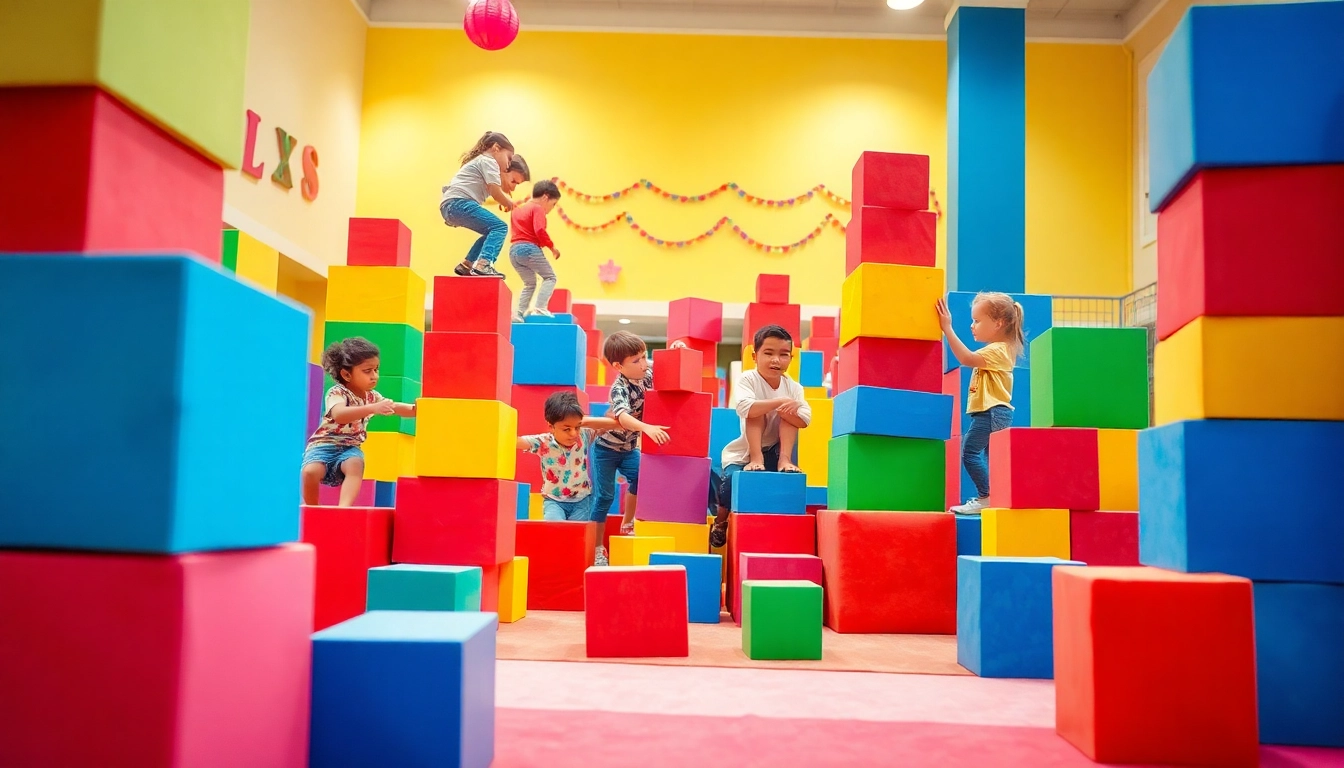
Introduction to Giant Foam Building Blocks
Giant foam building blocks are a delightful, versatile tool for children that encourage creativity, motor skills, and social interaction. These colorful, oversized blocks can transform any space into a play area where children can let their imaginations run wild. Whether it's setting up a castle, constructing a car, or building a tower, these blocks offer endless possibilities. For those looking to dive deeper into the world of giant foam blocks, we provide more details on choosing the right set and how to get started.
What are Giant Foam Blocks?
Giant foam blocks are specifically designed play structures made from high-density foam that provides safety and comfort for children during play. These blocks typically come in various shapes, sizes, and colors to facilitate creative building. Lightweight and durable, they are perfect for indoor or outdoor play, allowing children to build and explore freely without the risk of injuries commonly associated with traditional building materials like wood or plastic.
Benefits of Indoor Play with Foam Blocks
Indoor play is essential for child development, and foam blocks contribute significantly to this process. Here are some key benefits:
- Physical Development: Lifting, stacking, and moving blocks promotes physical activity, enhancing gross motor skills.
- Cognitive Growth: Building with foam blocks encourages problem-solving as children learn about balance and gravity.
- Creativity: Foam blocks inspire imaginative play; children can create anything from abstract shapes to detailed buildings.
- Social Skills: Collaborative play fosters teamwork and communication among peers.
Choosing the Right Set for Your Needs
Selecting the ideal set of giant foam building blocks hinges on several factors:
- Age Appropriateness: Ensure that the blocks suit the age group of the children who will be using them. Larger blocks are generally better for younger kids.
- Size and Quantity: Assess available space and how many blocks you'll need for the intended activities.
- Material Quality: Look for blocks made of non-toxic, durable foam that can withstand rigorous play without damage.
- Variability: Opt for sets that include various shapes to inspire creativity and diverse building possibilities.
Creative Play Ideas for Kids
Stacking and Balancing Challenges
One of the most entertaining activities with foam blocks is stacking. Children can create towers of varying heights. To add an element of challenge, set specific tasks such as building the tallest tower in a limited time or balancing a block on top of another block without it falling. These exercises not only entertain but also teach children about balance and physics in a fun environment.
Imaginative Structures and Designs
Giant foam blocks are perfect for imaginative play. Encourage children to create various structures like bridges, castles, or boats. By introducing themes such as "under the sea" or "outer space," you can inspire kids to research and incorporate creative elements into their designs, enhancing their storytelling and creative expression.
Teamwork and Social Skills Development
Building with foam blocks can be a collaborative effort among children, promoting teamwork and communication. By working together on projects, children learn to share ideas, negotiate roles, and compromise. Set challenges where children must complete a structure as a team. This collaborative environment fosters essential social skills that are crucial for their development.
Safety Considerations When Using Foam Blocks
Child Safety Guidelines
While giant foam blocks are generally safe, certain guidelines should be observed:
- Supervision: Always supervise young children during play to prevent accidents.
- Play Area: Ensure the play area is free of sharp or dangerous items.
- Age-Appropriate Use: Make sure children are using blocks suitable for their age and ability to prevent injuries.
Indoor Setup Recommendations
To maximize safety and enjoyment, consider the following setup recommendations:
- Soft Surfaces: Use foam mats or carpets to cushion falls and define play zones.
- Designated Spaces: Create a specific area for playing with foam blocks to establish boundaries.
- Organized Storage: Designate a space for storing blocks when not in use to prevent clutter and tripping hazards.
Maintenance and Care for Foam Blocks
Proper maintenance will extend the life of your foam blocks. Regularly inspect for wear and tear, clean them using mild soap and water, and ensure they are dried thoroughly to prevent mold. Providing regular care will keep them hygienic and safe for little hands.
Enhancing Learning Through Play
Developing Cognitive Skills with Building Blocks
Playing with foam blocks boosts cognitive skills. Different shapes and sizes encourage experimentation with mathematical concepts such as counting, spatial relationships, and volume. Create games that focus on sorting by color or size, or challenge them to create symmetrical designs to enhance their understanding of geometry.
Encouraging Problem Solving in Group Activities
Group activities that involve building with foam blocks can enhance problem-solving skills. Set goals where children need to overcome specific challenges (e.g., building a bridge that can hold a toy car) that require them to think critically and work together effectively to find solutions.
Incorporating Educational Themes into Play
Integrating educational themes such as history or science into play can make learning fun. For instance, introduce a theme where children build structures inspired by famous landmarks. This can lead to discussions about geography or culture and stimulate curiosity about various subjects while playing.
Frequently Asked Questions
How do I clean and maintain foam blocks?
To clean foam blocks, use a damp cloth with mild soap. Avoid soaking them in water, and air dry to prevent mold and maintain their structure.
What age group is suitable for giant foam blocks?
Giant foam blocks are suitable for children ages 1 and up, with larger blocks recommended for younger kids to enhance safety and ease of use.
Can these blocks be used outdoors?
Yes, giant foam blocks can be used outdoors. However, ensure they are stored indoors when not in use to prolong their life and prevent damage from weather conditions.
Are there specific safety certifications to look for?
When selecting foam blocks, look for safety certifications such as ASTM or CPSIA that ensure they meet safety standards for children's products.
How do I store the blocks when not in use?
Store foam blocks in a cool, dry place. Use bins or shelves to organize them and avoid stacking them too high to prevent tipping hazards.