Introduction to Australia
Australia, a country known for its stunning landscapes, rich culture, and diverse ecosystems, is a place that captivates the imagination of many. From the bustling city life of its major cities to the tranquil beauty of its natural wonders, Australia offers an array of experiences for locals and visitors alike. This article explores the geographical, cultural, and economic aspects of Australia, providing a detailed look at what makes this nation unique.
Geographical Overview of Australia
Australia is the sixth-largest country in the world and is often referred to as a continent itself due to its vast land area of approximately 7.7 million square kilometers. Bordered by the Pacific Ocean to the east and the Indian Ocean to the west, Australia showcases an incredible diversity of geographical features, from sandy beaches and coral reefs to rugged mountain ranges and arid deserts.
Notably, the country can be divided into several distinct regions:
- Coastline: Australia boasts one of the longest coastlines in the world, stretching over 34,000 kilometers, with famous beaches such as Bondi Beach and the Gold Coast attracting millions of visitors annually.
- Desert Regions: Much of Australia's interior is dominated by desert landscapes, including the outback, which is a vast and remote area that holds significant cultural importance for Indigenous Australians.
- Forests and National Parks: Australia is home to numerous national parks, such as the Daintree Rainforest and Kakadu National Park, safeguarding diverse flora and fauna and offering unique ecotourism opportunities.
Climate and Environment in Australia
Australia experiences a varied climate, ranging from tropical in the north to temperate in the south. The climate can be divided into several zones:
- Tropical: Characterized by hot, humid summers and mild winters, this climate prevails in regions such as Queensland.
- Desert: The central parts of Australia are characterized by a dry, arid climate, with little rainfall and extreme temperatures.
- Temperate: Southern Australia experiences four distinct seasons, including warm summers and cool winters, making it ideal for diverse agricultural practices.
The environmental diversity of Australia contributes significantly to its ecosystems. However, the country also faces challenges, including climate change, habitat destruction, and invasive species that threaten native wildlife.
Cultural Significance of Australia
Australia is a melting pot of cultures, shaped by its Indigenous peoples, British colonization, and more recent waves of immigration. The Aboriginal and Torres Strait Islander peoples are the first inhabitants of Australia, having lived on the land for over 65,000 years. Their unique cultures, languages, and traditions add depth to the nation’s identity.
The cultural fabric of Australia continues to evolve, influenced by global trends and multiculturalism. Key aspects include:
- Arts and Music: Australia has a vibrant arts scene, with festivals celebrating music, film, and visual arts such as the Sydney Festival and the Melbourne International Comedy Festival.
- Sports: Sports play a crucial role in Australian identity, with Australian rules football, cricket, and rugby dominating the cultural landscape.
- Cuisine: The Australian palate reflects its multicultural population, with influences from Asian, Mediterranean, and indigenous cuisines.
Top Destinations in Australia
Urban Excitement: Sydney and Melbourne
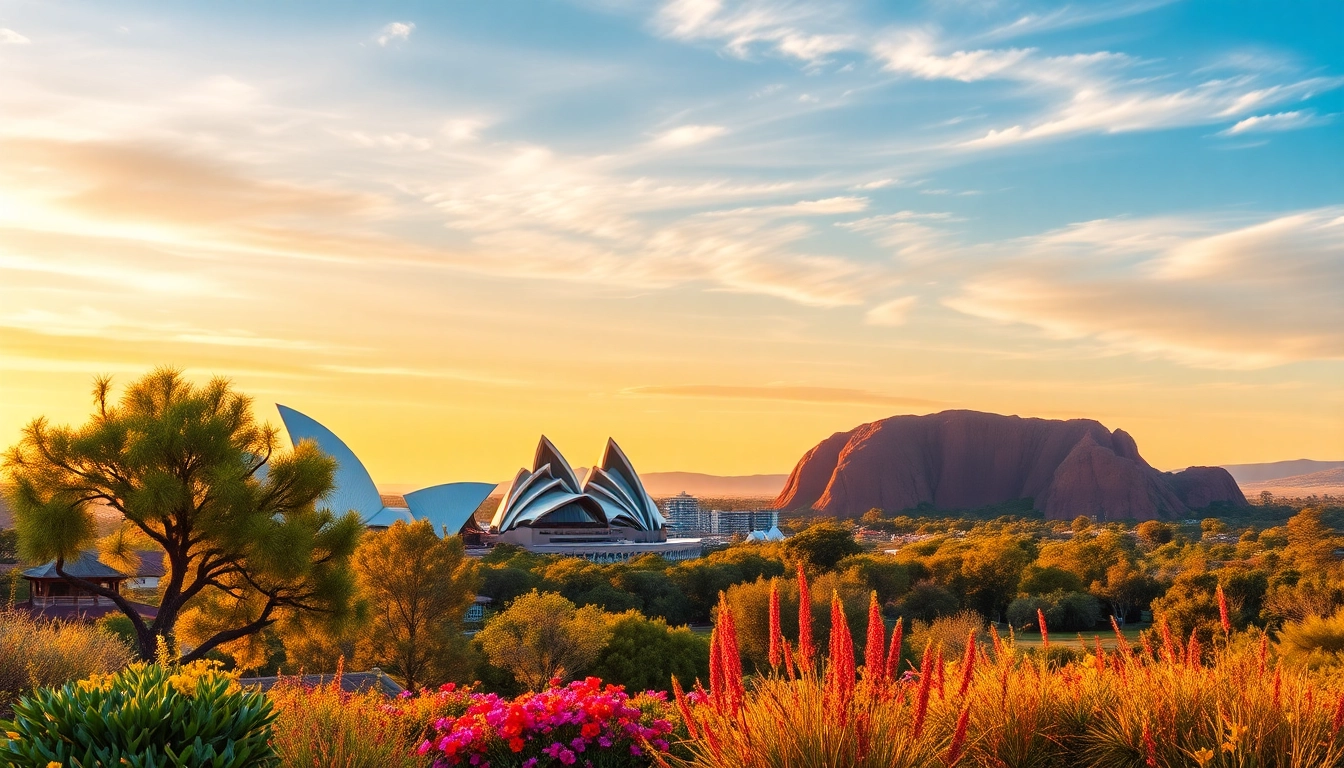
Sydney, Australia's largest city, is famous for its iconic landmarks such as the Sydney Opera House and the Sydney Harbour Bridge. The vibrant cultural scene, beautiful beaches like Bondi Beach, and bustling markets make it a top tourist destination.
Melbourne is known as the cultural hub of Australia, celebrated for its art galleries, theaters, and extensive café culture. The city’s diverse neighborhoods, each with a unique character, draw visitors looking to explore contemporary urban life.
Nature's Paradise: Great Barrier Reef
The Great Barrier Reef is one of the world’s most renowned natural wonders. Spanning over 2,300 kilometers along the Queensland coast, this UNESCO World Heritage Site boasts the largest coral reef system on the planet. It offers opportunities for snorkeling, diving, and sailing, attracting marine enthusiasts from around the globe.
The reef is home to a staggering variety of marine life, including over 1,500 species of fish, countless invertebrates, and six of the world’s seven species of marine turtles. Conservation efforts are essential to protect this fragile ecosystem from climate change and pollution.
Iconic Landscapes: Ayers Rock
Ayers Rock, or Uluru, is a massive sandstone monolith located in the heart of the Northern Territory. It is a sacred site for the Anangu, the traditional custodians of the land, and is renowned for its breathtaking sunsets that illuminate its red-hued exterior.
Visitors are encouraged to explore the cultural significance of Uluru through guided tours and exhibitions while respecting the local customs and traditions.
Traveling in Australia
Transportation Options Across Australia
With its vast size, getting around Australia can be a challenge, but there are several efficient transportation options available:
- Air Travel: Domestic flights are popular for traveling between major cities and remote areas. Airlines offer numerous routes that help connect travelers quickly across the country.
- Public Transport: Cities like Sydney and Melbourne boast extensive public transport systems, including trains, trams, and buses, making it easy to navigate urban areas.
- Car Rentals: Renting a car is a popular option for exploring the countryside, allowing travelers to discover scenic drives like the Great Ocean Road.
Local Cuisine and Dining Experiences in Australia
Australia’s food culture is exciting and diverse, influenced by its multicultural society. Dining in Australia can range from fine dining in urban hubs to casual barbecues in the outback. Here are some local favorites you shouldn't miss:
- Barbecue: Known as a social tradition, Australian barbeque features a range of meats and seafood grilled to perfection.
- Vegemite: A quintessential Australian spread, Vegemite is a savory yeast extract enjoyed on toast.
- Lamington: A beloved sweet treat, lamingtons are sponge cakes coated in chocolate and rolled in coconut.
Cultural Etiquette and Tips for Visitors
Understanding local customs and etiquette is crucial for visitors to enjoy a respectful and enjoyable experience in Australia. Some helpful tips include:
- Be polite and friendly; Australians appreciate good manners.
- Respect Indigenous cultures and traditions, especially when visiting sacred sites.
- Always wait for a clear pedestrian signal before crossing streets.
Economy and Industry in Australia
Understanding Australia’s Economy
Australia has a robust and diverse economy, characterized by a mix of services, manufacturing, agriculture, and mining. It ranks among the wealthiest nations globally, with high living standards and a strong labor market.
The Australian dollar (AUD) is the official currency, and the economy has shown resilience through various global challenges, although factors such as fluctuating commodity prices and trade relations play significant roles in economic dynamics.
Key Industries Driving Growth in Australia
Australia's economy is underpinned by several key industries:
- Mining: Rich in natural resources, Australia is a leading exporter of coal, iron ore, and natural gas.
- Agriculture: The agricultural sector produces significant exports, including meat, wine, and grains.
- Tourism: As a major service sector, tourism draws millions of visitors each year, significantly contributing to the economy.
Employment Opportunities in Australia
The job market in Australia is characterized by a high demand for skilled workers across various sectors, including healthcare, technology, and engineering. Government programs and skilled migration pathways are designed to attract talents from around the globe to fill critical roles.
Jobseekers can explore opportunities across major cities as well as regional areas where demand may be higher. Understanding local employment laws and networking within industries can further enhance job prospects.
FAQs About Australia
What is the best time to visit Australia?
The best time to visit Australia varies by region. Generally, spring (September to November) and autumn (March to May) are ideal due to mild weather across the country.
What languages are spoken in Australia?
English is the official language of Australia. However, many residents speak other languages, reflecting the country’s diverse multicultural population.
What currency is used in Australia?
The official currency of Australia is the Australian dollar (AUD), which is available in both coins and banknotes.
What are safety tips for traveling in Australia?
Travelers should stay hydrated, protect themselves from the sun, be cautious of wildlife, and be aware of local emergency services when exploring different regions in Australia.
Are there any unique customs in Australia?
Australians have a laid-back approach to life, valuing friendliness and humor. The concept of "tall poppy syndrome" discourages boasting about successes, fostering a culture of humility.