Understanding Gardening Basics
Gardening is an enriching activity that not only beautifies our environment but also provides numerous psychological and physical benefits. The process of growing plants for their vegetables, fruits, flowers, herbs, or ornamental purposes within a designated space brings a sense of satisfaction and connection to nature. Embracing Gardening as a hobby or lifestyle can transform ordinary spaces into beautiful sanctuaries filled with life and color. Let's explore the fundamental concepts of gardening and how to embark on this rewarding journey.
The Importance of Gardening
Gardening plays a crucial role in enhancing mental well-being. Engaging with nature reduces stress, promotes creativity, and fosters a sense of community. It’s an excellent way to achieve physical fitness, as it involves various physical activities like digging, planting, weeding, and watering. Furthermore, gardening allows individuals to support environmental sustainability by growing their own food, enhancing biodiversity, and improving air quality.
Types of Gardening
There are several types of gardening, each tailored to different environments and interests. Understanding each type helps gardeners choose the best approach for their space and goals:
- Vegetable Gardening: Focuses on growing vegetables and fruits for personal consumption.
- Ornamental Gardening: Centers on aesthetics, incorporating decorative plants, flowers, and landscaping features.
- Container Gardening: Ideal for urban settings, using pots and containers to grow plants in small spaces.
- Vertical Gardening: Maximizes limited space by growing plants upward using trellises or wall-mounted planters.
- Herb Gardening: Cultivates herbs for culinary purposes, which are often compact and easy to grow.
Setting Gardening Goals
Setting clear gardening goals is fundamental to the success of any gardening endeavor. Common goals might include growing a certain type of vegetable, creating a flower bed that blooms year-round, or establishing a self-sustaining garden. Start by assessing your space, resources, and time commitments, then outline specific, measurable, achievable, relevant, and time-bound (SMART) gardening goals.
Essential Gardening Tools and Equipment
The right tools make gardening tasks easier and more productive. Whether you're a beginner or an experienced gardener, it's essential to invest in quality tools that suit your gardening style.
Must-Have Gardening Tools
Here’s a list of essential gardening tools that are indispensable for every gardener:
- Hand Trowel: Useful for digging small holes, transplanting seedlings, and weeding.
- Pruners: Essential for trimming plants, shaping bushes, and removing dead or diseased branches.
- Garden Fork: Great for aerating soil and turning compost.
- Spade: Perfect for digging and edging garden beds.
- Watering Can or Hose: Ensures efficient watering for your garden. Choose based on your garden size.
Choosing the Right Soil
Soil is the foundation of a successful garden. Understanding the different types of soil and their properties will enable you to make informed decisions. Garden soil should ideally be rich in organic matter, well-draining, and possess good aeration. Conduct a soil test to determine pH levels and nutrient content. Amendments like compost, peat moss, or vermiculite can enhance soil quality significantly.
Understanding Garden Layouts
Designing the layout of your garden is crucial for maximizing space and ensuring plants receive adequate sunlight and water. Consider implementing a structured layout with designated rows, raised beds, or companion planting. Companion planting involves positioning plants together that support each other's growth, such as planting tomatoes with basil to improve flavor and deter pests.
Plant Selection and Maintenance
Choosing the right plants and ensuring their adequate maintenance is vital for a thriving garden.
Choosing Suitable Plants for Your Environment
Select plants that are well-suited to your local climate, soil type, and sunlight availability. Research native plants and those that are proven to thrive in your area. Consider factors like the growth cycle, size, and care requirements to make informed choices. For beginners, starting with hardy plants like marigolds or zucchini can lead to a successful gardening experience.
Understanding Plant Growth Cycles
Understanding the growth cycles of plants helps in planning your planting schedule effectively. Annuals complete their life cycle in one growing season, while perennials return year after year. Knowing this information will help you to curate a garden that offers continuous beauty throughout the seasons.
Effective Watering Techniques
Watering is critical for plant health. Establish a consistent watering schedule, considering factors like plant type, climate, and soil conditions. Early morning is typically the best time to water, reducing evaporation. Implementing soaker hoses or drip irrigation systems can also help conserve water and deliver moisture directly to the roots.
Pest Control and Soil Health
Maintaining a healthy garden involves proactive pest management and ensuring optimal soil health.
Natural Pest Control Methods
Employing natural pest control methods is essential for sustainable gardening. Introduce beneficial insects like ladybugs that prey on aphids. Rotate crops to prevent pest cycles and implement physical barriers like row covers or netting. Additionally, creating a diverse garden can help deter pests naturally.
Improving Soil Health
Soil health directly affects plant growth and resilience. Regularly add organic matter through composting and mulching to improve soil structure and fertility. Test soil periodically to monitor nutrient levels and amend as needed. Healthy soil fosters beneficial microorganisms that promote plant growth and disease resistance.
Composting Basics
Composting is an eco-friendly way to recycle kitchen and garden waste. Create a compost pile or bin with a mix of green (nitrogen-rich) and brown (carbon-rich) materials. Turn the pile regularly to aerate and speed up the decomposition process. Finished compost can be added to the garden to enhance soil health and structure.
Creating a Sustainable Gardening Practice
Sustainable gardening focuses on minimizing environmental impact while promoting biodiversity and ensuring long-term viability.
Eco-Friendly Gardening Practices
Incorporate eco-friendly methods such as organic gardening, mulching, and rainwater harvesting. Utilize natural fertilizers and avoid synthetic chemicals. Choose native plants that require less water and care, promoting a balanced ecosystem.
Learning from Community Gardening Initiatives
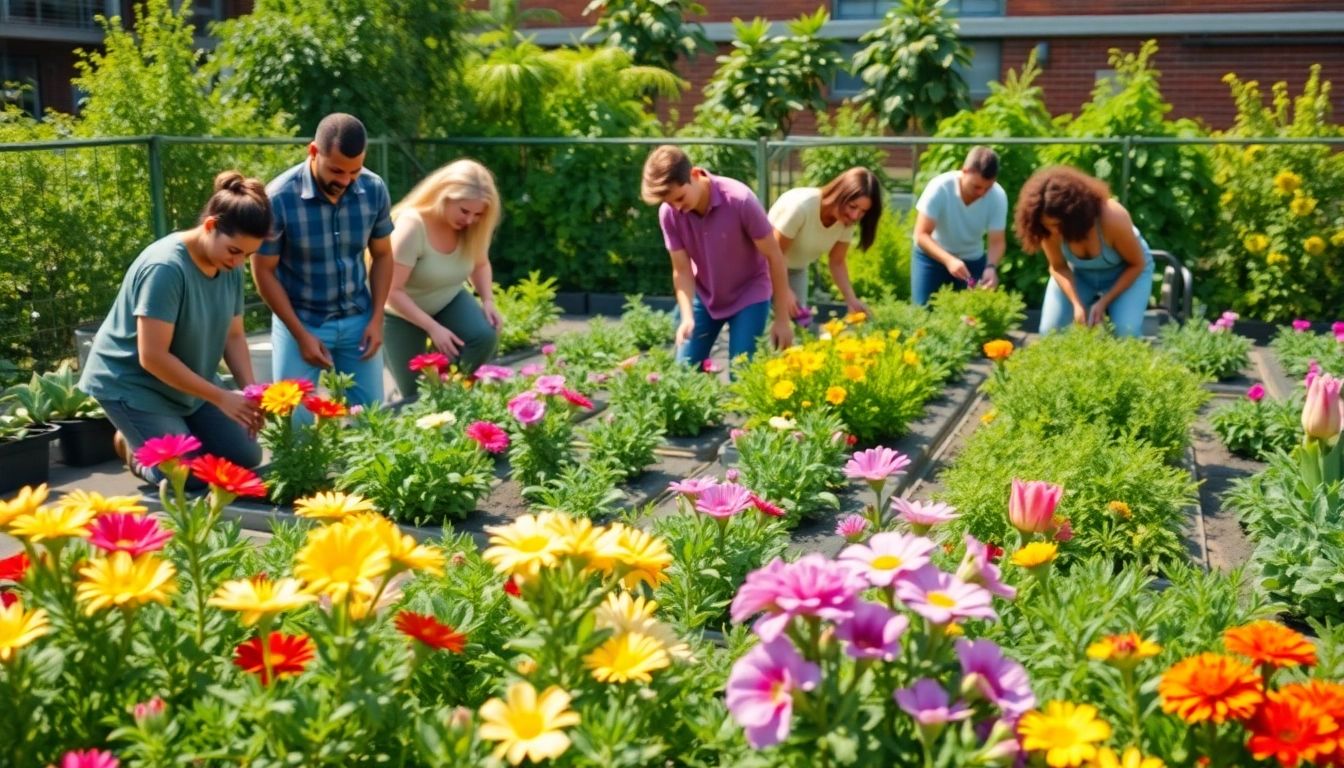
Getting involved in community gardening initiatives can provide valuable learning experiences and foster strong community ties. Sharing knowledge and resources with fellow gardeners enhances skills and broadens gardening techniques. Many cities host community gardens where you can volunteer or become a member.
Resources for Ongoing Learning
Gardening is a continuously evolving practice. Stay informed by reading gardening books, subscribing to gardening magazines, or following reputable gardening blogs. Online courses and local workshops offer excellent resources for expanding your knowledge and skills, ensuring you keep up with the latest gardening trends.
FAQs
What types of plants are good for beginners?
Beginners should start with easy-to-grow plants like tomatoes, lettuce, and herbs such as basil or mint, which don't demand too much care.
How often should I water my garden?
Generally, gardens need about an inch of water per week. Adjust based on weather; hotter temperatures may require more frequent watering.
What tools do I need to start gardening?
Basic tools include a spade, trowel, pruners, gloves, and a watering can. These will help you with most gardening tasks.
How can I prevent pests without chemicals?
Utilize companion planting, introduce beneficial insects like ladybugs, and use natural repellents like neem oil to manage pests naturally.
Can gardening be done on a balcony?
Absolutely! Container gardening is perfect for balconies, allowing you to grow a variety of plants in limited space.