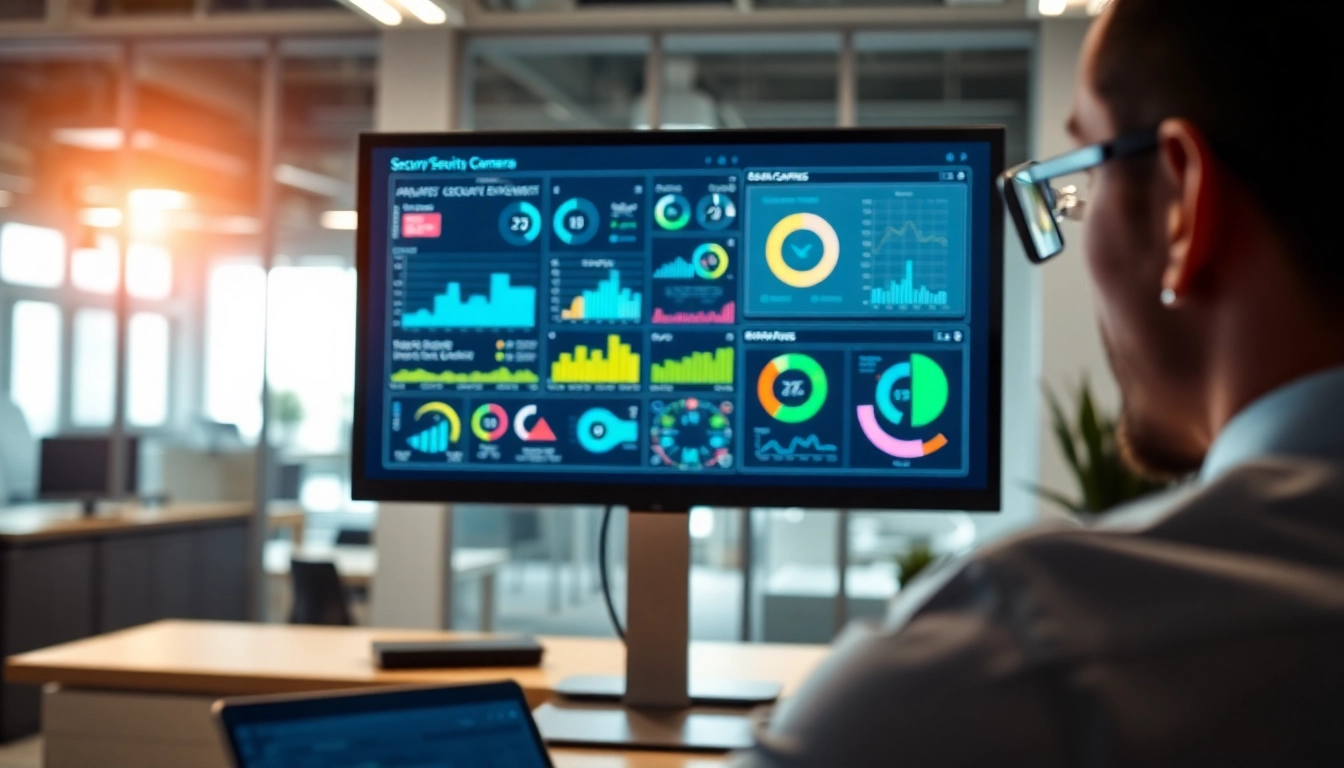
Understanding Security Camera Analytics
Definition and Purpose
Security camera analytics refers to the sophisticated processing techniques used to enhance the capabilities of surveillance systems through algorithm-driven insights. By automating the analysis of video content, these systems can detect events, monitor specific behaviors, and inform security teams of incidents in real-time. The primary purpose of security camera analytics is to transform traditional video feeds into actionable data that supports safety and operational efficiency. This technology not only bolsters security measures but also assists in decision-making processes across various sectors.
Key Components of Security Camera Analytics
To fully grasp the value of security camera analytics, it’s essential to understand its core components:
- Real-Time Processing: Analytics systems process live video streams to identify and react to incidents as they happen, minimizing response time.
- Object Detection and Classification: Advanced algorithms classify and track objects, individuals, and vehicles, providing contextual data about observed scenes.
- Event Detection: Systems can trigger alerts based on predefined behavioral patterns – such as loitering in a restricted area or unusual movement.
- Data Storage and Retrieval: Efficient storage solutions enable retrieval of significant footage for post-incident analysis or audits.
- User Interface: A user-friendly interface is critical for security personnel to interact with the system effectively.
Real-World Applications
The applications of security camera analytics extend across multiple industries, enhancing both security and operational efficiency. Key applications include:
- Retail Security: Analyzing foot traffic patterns and customer behavior to optimize store layouts and enhance security measures against theft.
- Traffic Management: Monitoring vehicle flow and detecting traffic violations, thus improving road safety and traffic management systems.
- Public Safety: In urban areas, analytics improve law enforcement's response time by identifying incidents in crowded places.
- Industrial Monitoring: Ensuring safety protocols are followed in industrial settings and monitoring employee behavior for compliance with regulations.
- Healthcare: In hospitals, improving the monitoring of patients and ensuring the security of sensitive areas such as pharmacies.
Benefits of Implementing Security Camera Analytics
Enhanced Security Measures
One of the significant benefits of security camera analytics is the enhancement of security measures. By leveraging real-time data, organizations can respond promptly to potential threats. This proactive approach leads to a safer environment for employees and customers alike.
Data-Driven Decision Making
With comprehensive data analysis, organizations can make informed decisions that drive business performance. Security camera analytics enables stakeholders to identify patterns, optimize operations, and justify investments based on empirical evidence rather than assumptions.
Operational Efficiency Improvements
Additionally, security camera analytics leads to improved operational efficiencies. For instance, in retail settings, understanding customer behavior allows management to adjust staffing levels and optimize product placement, enhancing both service levels and sales performance.
Common Challenges in Security Camera Analytics
Data Privacy Concerns
While the use of surveillance technology is increasing, it brings forward significant data privacy concerns. Organizations must ensure compliance with regulations related to data protection and ensure that surveillance is conducted ethically to maintain public trust.
Integration with Existing Systems
Integrating new analytics systems with existing surveillance infrastructure can often be challenging. It's crucial for companies to thoughtfully plan this integration, selecting solutions compatible with their current equipment to avoid operational disruptions.
Interpreting Data Effectively
Data interpretation requires expertise; raw data yields limited value without the right analysis. Organizations ought to invest in training staff to ensure they can effectively interpret analytics reports and drive actionable insights from the data collected.
Best Practices for Utilizing Security Camera Analytics
Defining Clear Objectives
Successful implementation of security camera analytics begins with defining clear objectives. Organizations must outline what they wish to achieve with analytics, whether it be improving safety, optimizing operations, or enhancing customer experiences.
Regularly Updating Software and Hardware
Keeping analytics software and hardware updated is vital for efficiency and functionality. Regular updates ensure that the system can leverage the latest advancements in technology and security features.
Training Staff on Data Analysis
Equipping staff with the ability to analyze data effectively maximizes the value gained from security camera analytics. Training programs should encompass technical skills, understanding analytics reports, and translating data into actionable insights.
Future Trends in Security Camera Analytics
AI and Machine Learning Advancements
With the continuous evolution of AI and machine learning, security camera analytics is likely to improve significantly. Future systems will become more adept at recognizing abnormalities, reducing false alarms, and learning from previous incidents to enhance decision-making.
Improved Real-Time Monitoring Features
Future analytics systems will offer more robust real-time monitoring capabilities, enabling security personnel to respond to incidents more quickly. Innovations in technology will facilitate better data transfer and higher resolution footage, resulting in clearer information.
Integration with IoT Devices
The incorporation of Internet of Things (IoT) devices is anticipated to rise, offering enhanced capabilities for surveillance systems. This integration will enable more comprehensive monitoring and analysis, creating a formidable security ecosystem.
Frequently Asked Questions
What are the main benefits of security camera analytics?
Security camera analytics enhances security measures, supports data-driven decision-making, and improves operational efficiencies across various sectors.
How does security camera analytics handle data privacy?
Organizations must ensure compliance with local data protection laws and implement measures to handle surveillance data ethically and transparently.
What industries benefit from security camera analytics?
Industries such as retail, healthcare, public safety, and transportation extensively benefit from security camera analytics for optimized operations and security enhancement.
How can organizations integrate analytics into current systems?
Careful planning and selecting compatible technology are crucial steps for effectively integrating analytics systems into existing surveillance setups.
What role does AI play in security camera analytics?
AI improves the accuracy of event detection, reduces false positives, and enhances the analytical capabilities of surveillance data, leading to more actionable insights.