Understanding Pool Enclosure Options
As homeowners seek ways to enhance their outdoor living spaces, the Pool Enclosure has garnered increasing attention. These structures serve various purposes, from safety to aesthetic appeal. With many options available, understanding the types, materials, and designs of pool enclosures is essential for making an informed decision.
Types of Pool Enclosures
Pool enclosures come in several types, each catering to distinct needs and preferences. Here are some of the most popular options:
- Screen Enclosures: Made from durable screens, these enclosures allow airflow while preventing debris, insects, and leaves from entering your pool area.
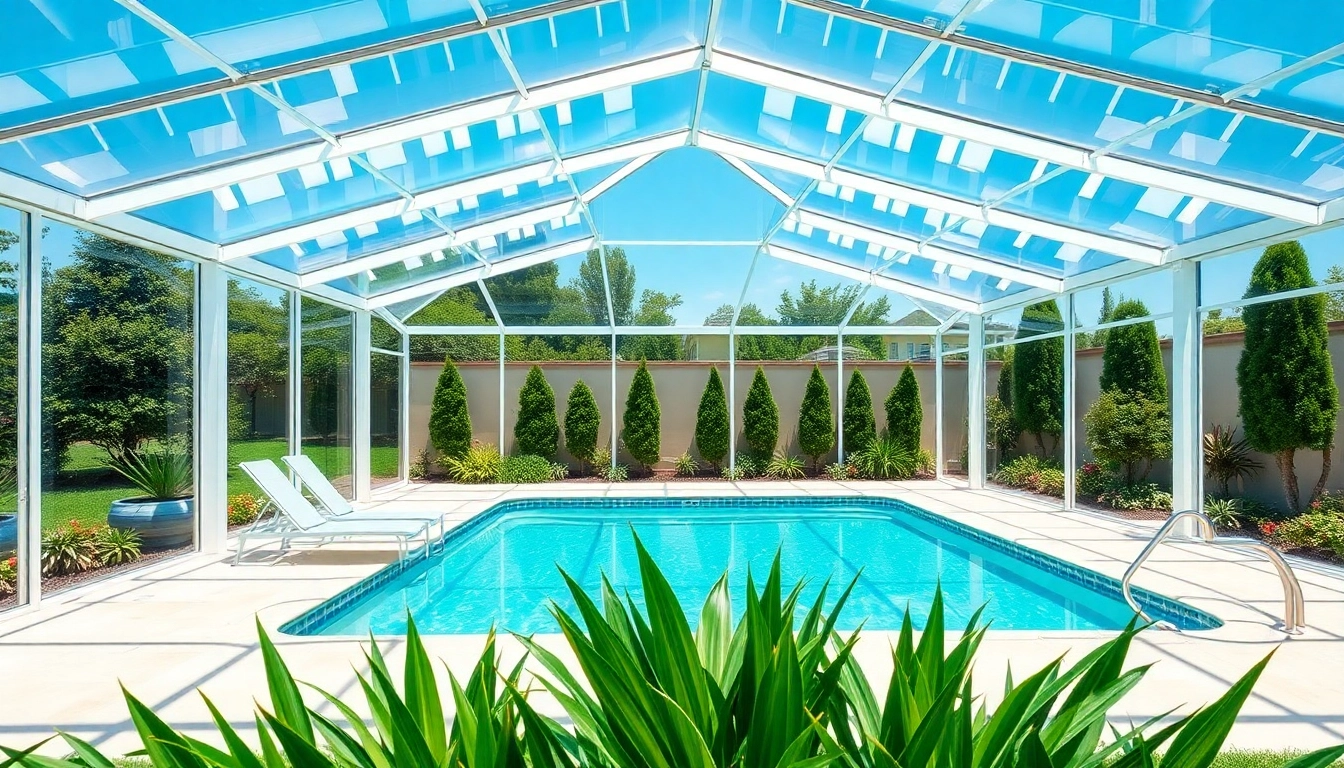
- Glass Enclosures: Offering a sleek and modern look, glass enclosures are also effective in retaining heat, making them ideal for colder climates.
- Telescopic Enclosures: Designed for versatility, telescopic enclosures can be retracted or closed depending on weather conditions, allowing for year-round swimming.
- Inflatable Enclosures: These enclosures are portable and easy to set up. Suitable for temporary use, they are often the most budget-friendly option.
- Retractable Enclosures: Similar to telescopic ones, retractable enclosures offer greater flexibility, allowing homeowners to adjust according to the season.
Materials Used in Pool Enclosures
The materials used in pool enclosures greatly affect their durability, maintenance, and aesthetic. Here are common materials:
- Aluminum: Lightweight yet sturdy, aluminum frames resist rust and corrosion, providing longevity.
- Polycarbonate: Impact-resistant and UV-protective, polycarbonate is commonly used in glass-like enclosures to ensure visibility while maintaining safety.
- Vinyl: A cost-effective material, vinyl is often used in vinyl-coated screens; it is resistant to moisture and fading.
- Wood: Aesthetic and natural, wooden enclosures offer a classic look but may require more maintenance to protect against weather.
- Fabric: Commonly found in inflatable enclosures, fabric provides flexibility and portability for temporary settings.
Choosing the Right Design for Your Preferences
Design choice is crucial when selecting a pool enclosure. Consider the following aspects:
- Aesthetic Appeal: The style of the enclosure should match the overall theme of your home and garden.
- Functionality: Choose a design that fits your lifestyle; if you have children, safety features should be prioritized.
- Climate Considerations: Ensure the design can withstand your local weather conditions—think about wind, snow, or heavy rain.
- Regulations: Check local building codes and community guidelines to ensure your enclosure meets legal requirements.
Benefits of a Pool Enclosure
Investing in a pool enclosure offers numerous advantages that impact both usage and maintenance of your pool.
Extended Swimming Season
By enclosing your pool, you can extend your swimming season significantly. The enclosure helps trap heat and maintain a warmer water temperature, allowing you to enjoy your pool even during cooler months. This enables families to utilize their pool more frequently throughout the year, maximizing enjoyment and relaxation.
Reduced Maintenance and Cleaning
One of the biggest advantages of a pool enclosure is the reduction in maintenance efforts. With the enclosure acting as a barrier, debris, such as leaves, insects, and dirt, is kept out, reducing the frequency of cleaning. Additionally, it minimizes the need for chemical treatments to counteract contaminants that would otherwise enter the water.
Enhanced Safety Features
Safety is a paramount concern for pool owners, especially those with small children or pets. A pool enclosure offers an extra layer of safety, preventing unauthorized access and accidents. Many enclosures feature locks and secure mechanisms, ensuring peace of mind for families while also complying with safety regulations.
Factors Influencing Pool Enclosure Costs
The cost of a pool enclosure varies widely depending on several factors. Understanding these elements can help you budget effectively.
Size and Customization Options
Your enclosure's size directly impacts its cost. Customization options, such as shapes, colors, and added features like windows or doors, will also influence pricing. A standard size may be more affordable, while unique designs that fit specific spaces tend to increase expenses.
Material Quality and Durability
The quality of materials used is a significant contributor to the overall cost of the enclosure. High-quality materials, like tempered glass and aluminum, will generally offer better durability and longevity, justifying their higher price. Cheaper materials may decrease the initial cost but can lead to increased maintenance and replacement expenses in the long run.
Installation Expenses and Considerations
Installation costs can vary based on design complexity, material choice, and local labor rates. DIY options might reduce costs but require significant time and effort. Hiring professionals ensures proper setup and compliance with safety regulations but comes at an additional expense, typically reflecting the enclosure's size and design intricacies.
Maintenance Tips for Pool Enclosure Longevity
To maximize the lifespan of your pool enclosure, regular maintenance is essential. Following these tips will help ensure your enclosure remains in top condition for years to come.
Regular Cleaning Practices
Implementing a regular cleaning schedule is vital. Use a soft brush or cloth to clean surfaces, as abrasive materials can scratch glass or polycarbonate. Gentle soapy water can remove stubborn dirt, while avoiding harsh chemicals protects the materials. Additionally, inspect seals and frames for potential wear and tear.
Seasonal Preparations
Prepare your enclosure for seasonal changes by removing any accumulated debris, checking for damage after storms, and adjusting the positioning of telescopic or retractable enclosures as needed. Regular seasonal checks help preserve the integrity of the materials and spacing of the structure.
Inspecting for Damage
Conduct regular inspections to identify damage early. Look for cracks, rust, or any structural weaknesses, especially after severe weather. Addressing small repairs promptly can prevent larger issues down the line, saving you time and money.
Frequently Asked Questions About Pool Enclosure
What is the cheapest way to enclose a pool?
The cheapest option for enclosing a pool is often an inflatable swimming pool enclosure, which is portable and easy to set up, providing temporary shelter.
How does a pool enclosure affect home value?
A high-quality pool enclosure can enhance your home’s value by adding attractive features and improving safety, making it a worthwhile investment for homeowners.
Can a pool enclosure decrease heating costs?
Yes, a pool enclosure can decrease heating costs significantly by retaining warmth and reducing heat loss, thereby lessening the need for additional heaters.
What are the planning permissions required for a pool enclosure?
Planning permissions vary by local regulations, but generally involve approvals related to safety standards, zoning laws, and property lines. Always check local codes before installation.
Is a pool enclosure suitable for winter protection?
Yes, many pool enclosures are designed to provide winter protection, preventing snow and debris accumulation while helping maintain optimal water temperature.