
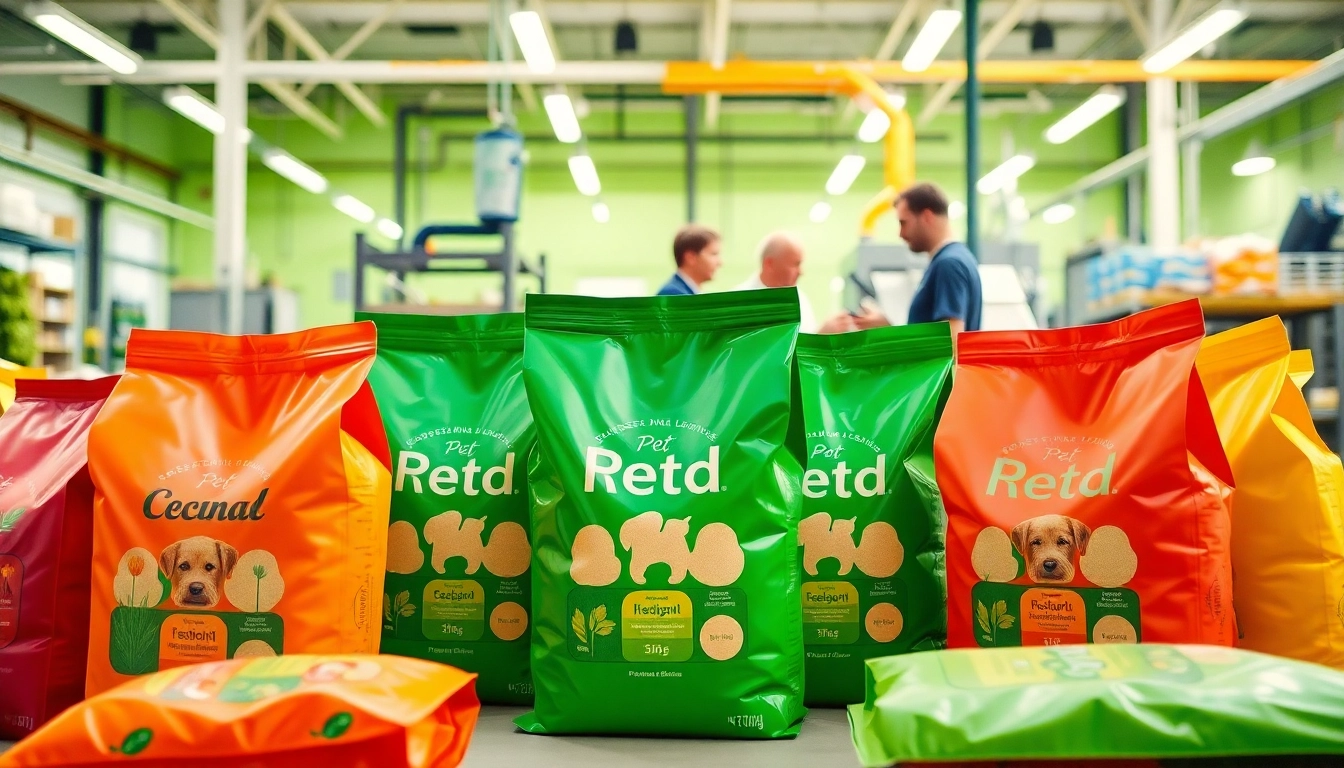
The Importance of Quality in Pet Food Packaging
In the competitive landscape of pet food production, packaging plays a pivotal role in ensuring product quality and consumer trust. A reliable pet food packaging company must prioritize factors that contribute to the optimal preservation of pet food products while attracting consumers. Understanding the full scope of quality in packaging can define the success of a product on store shelves.
Understanding Packaging Material Requirements
The choice of packaging material influences not only aesthetic appeal but also the functionality of the pet food packaging. Materials must meet various standards, such as durability, moisture resistance, and barrier properties to prevent oxygen and light exposure, which can lead to spoilage. Generally preferred materials in pet food packaging include:
- Multi-layer Films: Effective at preventing moisture and extending shelf life.
- Aluminum Foil: Commonly used for its excellent barrier properties against light and oxygen.
- Biodegradable Plastics: Growing in popularity due to eco-friendliness.
Impact on Pet Food Freshness and Safety
One of the most critical purposes of effective packaging is to maintain the freshness and safety of pet food. Properly sealed containers halt oxidation, which can spoil ingredients. Research shows that packaging that fails to secure moisture content can lead to mold growth, making pets sick. Therefore, it's imperative to engage packaging companies that have certifications and expertise in food safety regulations.
Regulatory Compliance in Packaging Production
Ensuring that packaging meets regulatory standards is vital for any pet food packaging company. Compliance with FDA regulations and the Association of American Feed Control Officials (AAFCO) guidelines guarantees safety in packaging materials used for pet foods. Manufacturers must conduct rigorous testing to affirm that their products are safe for both pets and the environment.
Eco-Friendly Solutions in Pet Food Packaging
As consumer awareness about environmental issues rises, pet food packaging companies are adapting by offering sustainable solutions. Innovative practices help to reduce waste, promote recycling, and advance biodegradable materials in the industry.
Benefits of Biodegradable Materials
Biodegradable materials significantly enhance sustainability. They break down more quickly in the environment compared to traditional plastics, thus reducing landfill contributions. Packaging derived from plant materials replenishes resources by returning organic material back to the soil. Adopting such materials leads to a positive brand image among eco-conscious consumers.
Recycling and Reuse Practices
Many leading companies in pet food packaging are implementing take-back programs where consumers can return used packaging for recycling. This process encourages consumer participation in sustainability efforts and decreases dependency on virgin materials. Highlighting informative recycling instructions on labels can also guide users on effective disposal methods.
Innovations in Sustainable Packaging Design
Innovations are reshaping sustainable packaging. Examples include the use of water-soluble packaging for pet treats and laminated films that allow for even lighter and stronger bags. Emerging technologies support creating flexible packaging solutions that cater to various shapes and sizes of products while also addressing eco-friendliness.
Choosing the Right Pet Food Packaging Company
Selecting the right partner for pet food packaging is critical for maintaining quality and reaching consumers effectively. Companies should evaluate various factors when making this choice.
Key Factors to Consider
When seeking a pet food packaging company, consider factors such as:
- Experience: Companies with a proven track record often understand industry demands better.
- Customization Options: The ability to tailor packaging to brand identity enhances product appeal.
- Scalability: Ensure the company can support growth as your business expands.
Evaluating Supplier Capabilities
Assessing supplier capabilities is crucial. Potential partners should demonstrate proficiency in producing high-quality packaging solutions as well as adherence to safety protocols. Engaging potential suppliers in discussions about their capabilities can yield insights into their operational efficiency and responsiveness to issues.
Importance of Customer Service and Support
Customer support is an oft-overlooked factor in choosing a packaging supplier. Reliable customer service ensures that a business can receive timely assistance with any issues arising in the production or supply chain process. Companies should seek partners that prioritize effective communication and proactive problem-solving.
Trends and Innovations in Pet Food Packaging
The pet food packaging landscape is evolving rapidly, driven by technological advancements and changing consumer preferences. Staying abreast of these trends is essential for any business focused on growth.
Smart Packaging Technologies
Smart packaging incorporates technology to enhance functionality. Features like QR codes that provide added details about ingredients, nutritional information, or sustainability credentials can improve consumer engagement. Technologies such as freshness indicators help track the product's quality over time, offering convenience and peace of mind to consumers.
Customization and Branding Trends
Customization enables brands to stand out. Companies are investing in unique packaging designs that resonate with pet owners. Printing vivid graphics, using engaging typography, and even personalized messages on packaging can create emotional connections, promoting brand loyalty.
Consumer Preferences Shaping Packaging Choices
Consumer preferences increasingly lean towards transparency and sustainability. Brands may consider conducting surveys to gauge their target audience’s values and priorities, leading to packaging decisions that reflect these insights and cater to consumer demand effectively.
Future of Pet Food Packaging: Challenges and Opportunities
The future of pet food packaging is rife with both challenges and opportunities, driven largely by environmental considerations and technological advancements. The industry’s approach to these challenges can foster innovation and growth.
Emerging Market Demands
With the rise in pet ownership and premium pet food lines, packaging demands are shifting towards enhanced quality and sustainability. Companies must adapt by investing in research and development to meet these evolving market requirements. Opportunities exist for companies willing to innovate packaging for specific dietary needs, such as grain-free or raw diets.
Addressing Environmental Challenges
Environmental challenges present significant hurdles. Packaging companies are being pressed to reduce plastic use and find alternatives. Transitioning to recyclable or compostable material and committing to sustainability practices can not only comply with regulations but also appeal to eco-conscious consumers.
Strategic Partnerships in the Packaging Industry
Creating strategic partnerships with technology providers, research institutions, or sustainability consultants can enhance innovation in packaging solutions. Collaborative efforts can lead to important developments in materials and processes, thus positioning a company as a leader in the pet food packaging space.
Frequently Asked Questions
What are the best materials for pet food packaging?
The best materials for pet food packaging include composite films, aluminum foil, and biodegradable plastics for their durability, barrier properties, and eco-friendliness.
How does packaging affect pet food freshness?
Proper packaging prevents oxygen, moisture, and light from spoiling pet food, significantly extending product shelf life and maintaining flavor and nutritional value.
Are biodegradable materials safe for pet food packaging?
Yes, biodegradable materials are generally safe for pet food packaging. They decompose without harmful residues, adhering to safety regulations, and reducing environmental impact.
What role does packaging play in consumer choice?
Packaging significantly influences consumer choice by presenting appealing designs, providing essential product information, and showcasing a brand's commitment to sustainability.
How can companies improve their packaging sustainability?
Companies can improve sustainability by using recyclable materials, investing in biodegradable options, creating take-back programs, and educating consumers on proper disposal.