Introduction to Facial Age Estimation
In a world dominated by technology, facial age estimation has emerged as a fascinating and engaging way for individuals to gain insights into their perceived age. This innovative approach utilizes cutting-edge artificial intelligence (AI) algorithms to analyze facial features and assess biological age. As we dive into this article, we'll explore the mechanisms behind age estimation, the popularity of age guessing apps, and the growing trends that are driving interest in tools that help people discover how old do I look.
Understanding the Technology Behind Age Estimation
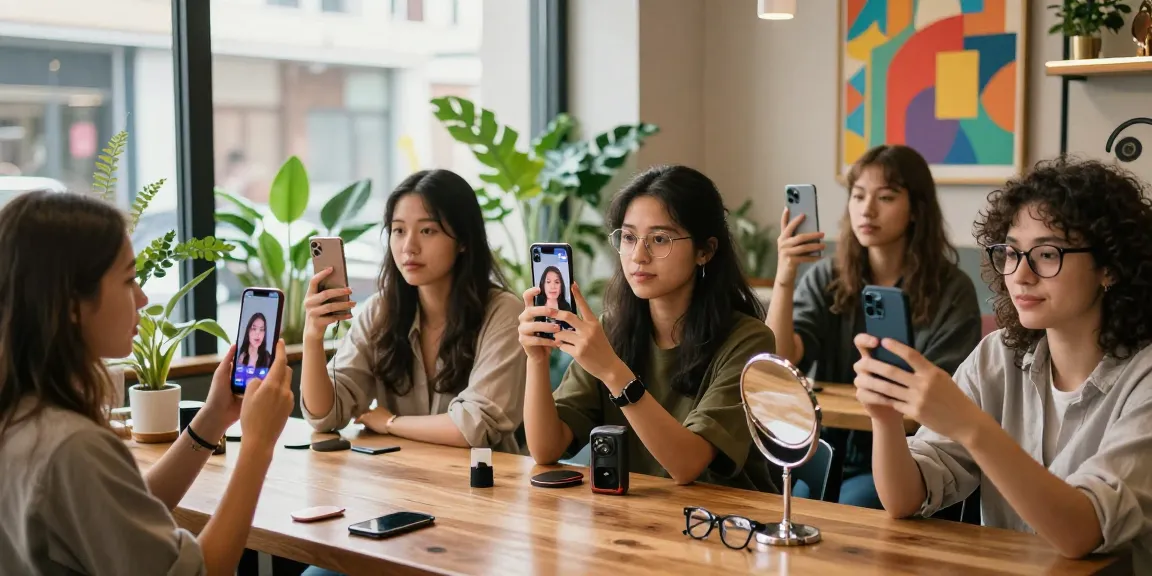
Facial age estimation technology mainly hinges on deep learning and computer vision. By training neural networks on vast datasets of images, these systems learn to correlate specific facial features—such as skin texture, wrinkles, and other signs of aging—with biological age. This sophisticated blend of data processing and AI enables users to get a fairly accurate prediction of how old they appear based on their photos. The process typically involves uploading a photo to an online tool or an app that employs these algorithms to analyze the image and deliver an age estimate.
The Growing Popularity of Age Guessing Apps
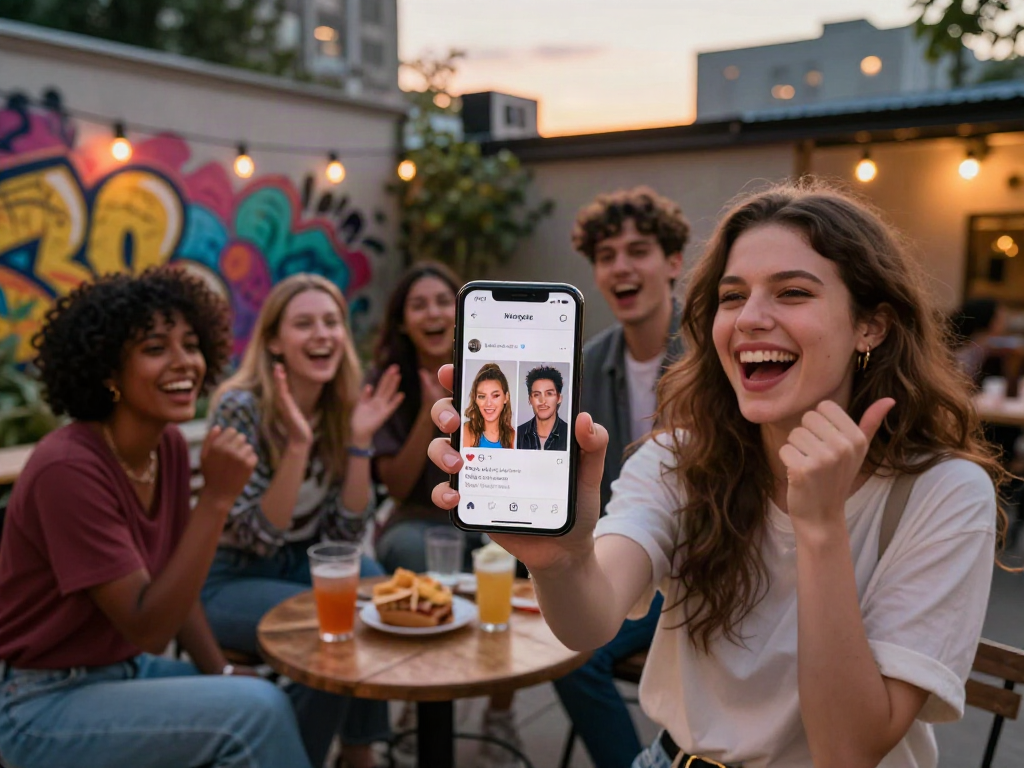
The surge in smartphone usage has significantly contributed to the popularity of age guessing apps. Users enjoy the simple and interactive nature of these tools, which often allow for instant feedback and sharing capabilities. As social media platforms flourish, users are increasingly using these apps not only to satisfy their curiosity but also to engage with friends and followers. The fun factor, combined with an element of social interaction, has propelled these apps into the mainstream.
Trends Supporting the Rise of “How Old Do I Look” Tools
Several trends fuel the rise of age estimation tools. The increasing interest in skincare and self-image, coupled with the growing emphasis on youthfulness in our society, has driven people to explore their perceived age. Furthermore, the rise of influencer culture has popularized personal branding, making individuals more inclined to construct an image that resonates with their desired audience. As a result, understanding how old someone appears has become not just a fun activity, but also a crucial component of online self-presentation.
User Experience: The Fun Factor
The appeal of age estimation tools often lies in their entertainment value. Many individuals find themselves caught up in the excitement of seeing how their peers or celebrities might look at different ages, which enhances user engagement. These tools often employ gamification strategies to further enhance the user experience, making age estimation not just informative but also entertaining.
Why People Are Curious About Their Apparent Age
Curiosity about perceived age can stem from various psychological and social factors. For many, the desire to maintain a youthful appearance correlates with societal standards of beauty. Furthermore, seeing how they compare to others—whether friends, family, or influencers—fuels this curiosity. The results provided by these tools can serve as a fun conversation starter or even a lighthearted way to share personal insecurities about aging.
Social Media and Age Estimation: A Perfect Match
Social media platforms have become the perfect venue for the dissemination of age estimation results. Users often share their findings, leading to discussions and challenges among friends. The viral nature of content on platforms like Instagram and TikTok makes it easy for such tools to gain traction, especially when users can tag friends and create a sense of competition regarding who looks younger. This sense of community fosters further engagement, encouraging users to return to the app or website repeatedly.
Engaging Your Friends: Group Activities Involving Age Estimation
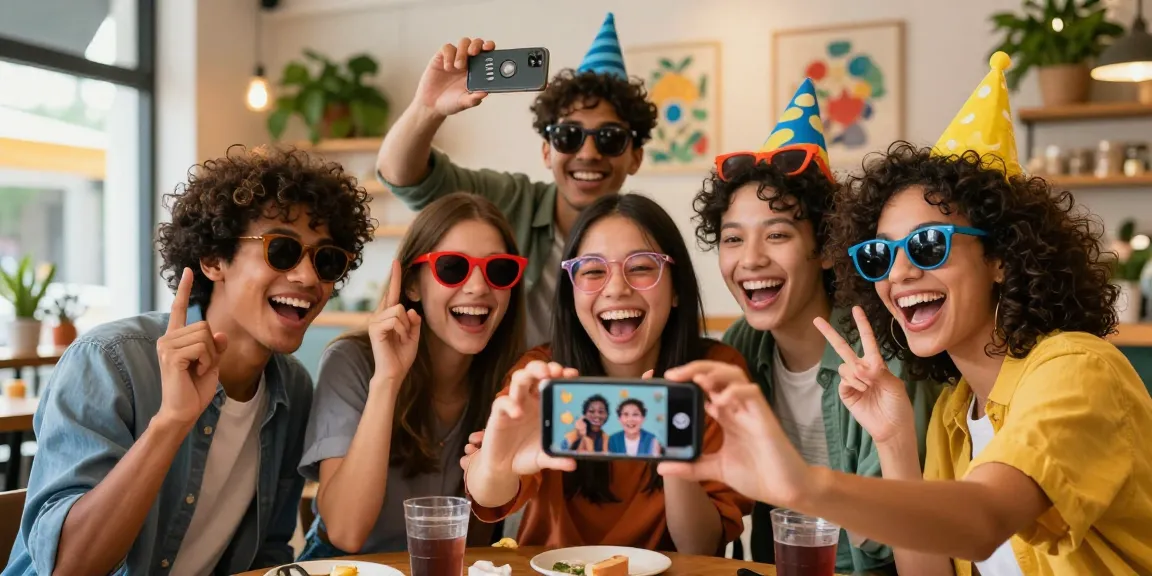
Many users enjoy turning age estimation into a group activity, transforming a personal assessment into a shared experience. Organizing events such as “age guessing parties” where friends upload each other’s photos can create an atmosphere of camaraderie and amusement. Additionally, these social interactions can lead to deeper conversations about societal perceptions of aging and beauty, enriching the experience even further.
Privacy and Ethical Considerations
As facial recognition technology becomes increasingly integrated into our lives, it's crucial to address the privacy and ethical implications of age estimation tools. Users must be aware of data security and the potential misuse of personal images when utilizing these applications.
Data Security in Facial Recognition Technology
Many facial age estimation apps require users to upload photos, raising questions about data privacy and security. While reputable platforms implement stringent security measures, users should always read privacy policies to understand how their data will be used. Ensuring that the app employs encryption and secure storage practices can safeguard against potential breaches.
Addressing Concerns About Age Estimation Apps
Although many users view these tools as harmless fun, there are legitimate concerns about how age estimation can affect self-esteem and body image. Negative comparisons, especially on social media, can lead to feelings of inadequacy or anxiety about aging. Developers of these tools bear a responsibility to promote healthy self-image and ensure that their applications are providing accurate yet sensitive assessments.
Best Practices for Safe Use
To safely enjoy age estimation tools, users should consider best practices such as using apps that prioritize user privacy, avoiding sharing sensitive personal information, and engaging with a mindset focused on fun rather than self-judgment. Additionally, opting for apps that offer disclaimers about the accuracy of their predictions can help manage expectations and mitigate feelings of insecurity.
Impact on Self-Perception
The psychological effects of using age estimation tools can be profound. While they can provide entertainment and curiosity, they can also influence how individuals perceive themselves and their relationship with aging.
The Psychological Effects of Age Estimation
Using age estimation tools can provoke strong emotional reactions, ranging from amusement to distress. When users receive an age estimate that contradicts their self-image, it may lead to reflection on their lifestyle choices, skin care, and overall well-being. While this can be constructive for some, it can also prompt negative feelings about aging and self-worth for others.
How Age Estimation Influences Beauty Standards
Age estimation tools can subtly enforce beauty standards that prioritize youthfulness, reinforcing the cultural narrative that associates worth and desirability with a younger appearance. As users engage with these tools, it’s essential to cultivate awareness of how such perceptions can shape societal standards and individual self-identity.
Using Age Prediction for Positive Self-Reflection
Despite the potential negative outcomes, users can also harness these tools for positive self-reflection. By understanding their perceived age, individuals might be inspired to adopt healthier habits or skincare routines that improve their well-being. Additionally, this awareness can cultivate a more appreciative view of aging as a natural process rather than something to fear.
Future Trends in Age Estimation Technology
As technology continues to evolve, so too will the capabilities of age estimation tools. The advancements in AI and machine learning hint at exciting possibilities for future applications that extend beyond entertainment.
Innovations to Look Forward to in 2026
Innovation in AI technology promises more accurate predictions, potentially combining data from multiple sources, such as lifestyle habits, to fine-tune age assessments. New features could include real-time age estimation during video calls, enabling users to receive instant feedback on their perceived age, making the process even more engaging and interactive.
Potential Applications Beyond Fun: Health and Wellness
Future applications of age estimation technology may reach far beyond simple entertainment. For example, integrating age estimation data with health tracking could offer insights into the aging process and encourage proactive health measures. Whether through personalized fitness programs or nutritional guidance based on perceived age, these advancements could contribute to overall well-being.
How AI is Shaping the Future of Age Recognition
As AI technology progresses, it will continue to refine the methodology behind age recognition. Advancements in computer vision and machine learning will likely lead to more comprehensive analyses that consider a wider range of age-related factors, providing users with more personalized feedback and recommendations based on their unique features.
What are the best apps for age estimation?
Several age estimation apps have gained popularity, each offering unique features. Options include FaceAge.ai, Fotor, and BeautyPlus, all of which utilize AI for quick assessments. Users are encouraged to explore these applications to find one that aligns with their preferences and privacy concerns.
How accurate are age estimation tools?
The accuracy of age estimation tools can vary significantly based on the algorithms used and the quality of the image uploaded. While many apps strive for high accuracy, users should view results as estimates rather than definitive conclusions.
Can I trust the results of how old do I look apps?
Trusting the results of age estimation apps depends on the app’s reputation and technology. Users should seek out tools backed by research and positive user reviews, ensuring they choose reputable applications to mitigate inaccuracies.
How does facial recognition technology work?
Facial recognition technology works by analyzing facial features and patterns within images. These patterns are processed through algorithms that compare inputs against vast databases of images, allowing for age estimation based on learned characteristics associated with different age groups.
Are these apps secure for personal data?
Security varies by app, with some prioritizing user privacy more than others. It’s vital for users to research their chosen app, reading privacy policies and ensuring the platform encrypts sensitive images to protect personal data adequately.