Understanding Containerized Wastewater Treatment Systems
As industrialization and urbanization continue to grow, the need for effective wastewater treatment solutions has become increasingly paramount. Containerized wastewater treatment systems are leading the charge in this essential sector, offering flexible, rapid, and efficient solutions to meet diverse water treatment challenges. These systems encapsulate advanced technology within a compact footprint, making it easier to address environmental concerns while enhancing operational efficiency.
What is a Containerized Wastewater Treatment System?
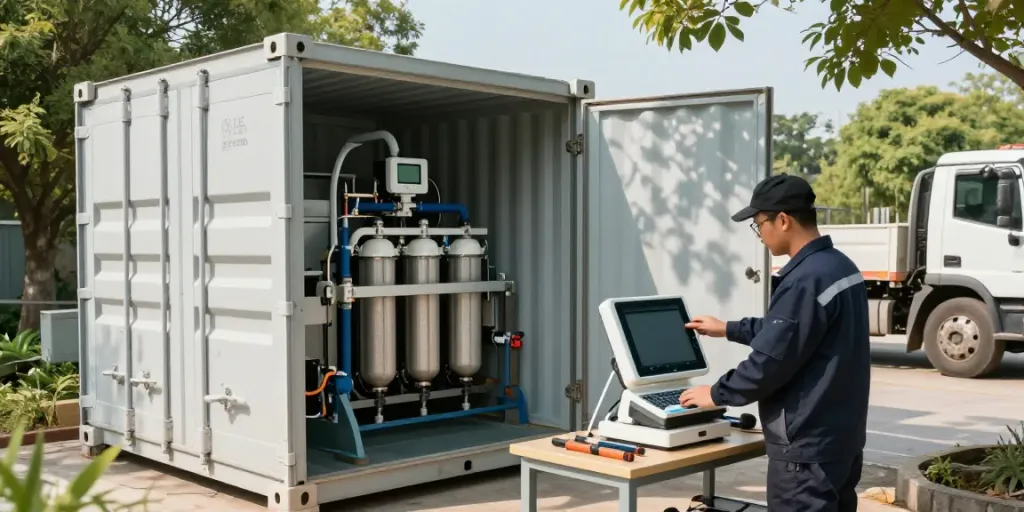
A containerized wastewater treatment system is a modular, pre-engineered solution designed to treat wastewater within standard shipping containers. These systems can efficiently manage various types of wastewater, ranging from domestic sewage to industrial effluents. Being pre-assembled within 20- or 40-foot containers allows for rapid deployment, ease of transport, and minimal on-site assembly, facilitating immediate use in diverse settings.
Key Components and Functionality
- Primary Treatment Units: These comprise screens and grit chambers to remove larger solids and sediments.
- Biological Treatment Systems: Utilizing aerobic and anaerobic processes, these units treat organic materials through microbes.
- Chemical Treatment Options: Chemical dosing systems are often integrated to help neutralize toxins and pollutants.
- Filtration and Disinfection Units: Advanced filtration systems and UV light or chemical disinfection ensure that treated water meets health and safety standards.
Each of these components can be customized based on specific wastewater characteristics and regulatory requirements, ensuring compliance with local environmental policies.
Benefits of Containerized Solutions
The advantages of containerized wastewater treatment systems are numerous, prominently featuring:
- Rapid Deployment: Containerized systems can often be operational within just a few days, drastically reducing downtime during transition periods.
- Portability: Their design allows for easy relocation, making them ideal for temporary setups or remote locations.
- Scalability: Modular designs permit easy expansion by adding more containers as demand increases.
- Cost-Efficiency: Minimized labor costs during installation and maintenance contribute to overall economic savings.
These features make containerized systems not only a practical choice but also a strategic investment for businesses needing reliable wastewater management.
Rapid Deployment and Flexibility
How Fast Can You Set Up a Containerized System?
One of the most significant advantages of containerized wastewater treatment systems is their ability to be set up quickly. Typically, the complete installation process can be finished in one to two days. Requirements for deployment are minimal, generally needing only a flatbed truck and a crane for positioning, which greatly reduces logistical challenges compared to traditional treatment plants.
Ideal Applications in Various Environments
Containerized systems are exceptionally versatile, suitable for a variety of applications, including:
- Construction Sites: Temporary setups for managing wastewater from construction activities.
- Disaster Relief: Portable solutions for emergency situations where immediate wastewater treatment is crucial.
- Remote Communities: Ideal for small towns or regions lacking established wastewater infrastructure.
- Industrial Applications: Effective for treating effluents from manufacturing processes, ensuring compliance with regulatory standards.
Case Studies of Successful Deployments
Several successful case studies underline the effectiveness of containerized wastewater treatment systems:
- Remote Mining Operations: A mining company utilized a 40-foot containerized system to treat wastewater on-site, reducing environmental risks and ensuring compliance with local regulations.
- Disaster Response in Haiti: Following a natural disaster, containerized wastewater plants were deployed to provide immediate treatment solutions, significantly improving public health outcomes.
Environmental Compliance and Safety Standards
Regulatory Requirements for Wastewater Treatment
Environmental regulations governing wastewater treatment are becoming increasingly stringent. Compliance is essential to avoid penalties and ensure sustainable operations. Containerized systems are designed with these regulations in mind, featuring advanced technologies that meet or exceed local, national, and international standards. This includes adherence to guidelines for effluent quality and operational safety.
Best Practices for Environmental Compliance
Businesses deploying containerized wastewater treatment systems should adhere to best practices, including:
- Regular Monitoring: Implement a routine monitoring program for effluent quality to ensure compliance.
- Staff Training: Train personnel in operational safety and emergency procedures to maintain a safe working environment.
- Documentation: Keep comprehensive records of maintenance and monitoring to facilitate audits and inspections.
Technological Innovations Enhancing Safety
Technological advancements in containerized systems enhance safety and efficiency. Innovations such as automated monitoring systems and real-time data analytics allow for proactive management and quick response to potential issues.
Cost Analysis and Economic Considerations
Understanding the Investment: Cost vs. Benefit
When evaluating containerized wastewater treatment systems, a thorough cost analysis is essential. Although initial investments can vary widely, the long-term benefits often outweigh expenses. Factors to consider include operational costs, maintenance, and potential fines for non-compliance.
Operational Costs of Containerized Systems
Operational costs for containerized systems generally include:
- Labor costs for monitoring and maintenance
- Utilities for power and water
- Chemicals for treatment processes
Understanding these costs allows companies to budget effectively and gauge the total cost of ownership.
Financial Incentives for Sustainable Practices
As governments worldwide increasingly emphasize sustainability, various financial incentives—such as tax credits and grants—are available for companies implementing eco-friendly wastewater treatment solutions. These incentives can ease the financial burden associated with investing in containerized systems.
The Future of Containerized Wastewater Treatment
Emerging Trends and Technologies for 2026
Looking ahead to 2026, several trends are shaping the future of containerized wastewater treatment:
- Increased Automation: Advancements in automation will streamline operations, reducing the need for manual intervention.
- Smart Technologies: IoT devices will allow for remote monitoring and control, enhancing system responsiveness.
- Advanced Treatment Processes: Innovations in biotechnology will improve treatment efficacy, particularly for complex industrial effluent.
Impact of Climate Change on Wastewater Treatment Solutions
Climate change poses significant challenges to wastewater treatment systems, including increased flooding and fluctuations in wastewater quality. Containerized systems are likely to evolve to address these challenges, incorporating adaptable designs that can handle these variations effectively.
Industry Predictions: What to Expect in the Coming Years
As technology continues to advance and regulatory frameworks become more stringent, the containerized wastewater treatment market is expected to grow. Industry experts predict an increasing emphasis on sustainability, with innovations focusing on integrated systems that optimize both water quality and energy efficiency.
What are common misconceptions about containerized wastewater treatment?
Many people mistakenly believe that containerized systems are only suitable for small-scale applications. However, these systems can be designed to handle large volumes of wastewater, making them versatile enough for various industrial uses while maintaining compliance with stringent environmental regulations.
How does a containerized system compare to traditional wastewater treatment plants?
Containerized systems offer several advantages over traditional treatment plants, including reduced installation time, lower capital investment, and heightened operational flexibility. While conventional plants often require extensive infrastructure, containerized solutions can be transported and set up with minimal site preparation.
What types of wastewater can be treated with these systems?
Containerized wastewater treatment systems are capable of treating a wide range of wastewater types, including municipal sewage, industrial byproducts, and leachate from landfills. Their modular nature permits customization for specific treatment needs.
What are the maintenance requirements for a containerized system?
Maintenance for containerized systems is generally straightforward, requiring routine inspections, cleaning, and replacement of mechanical parts as necessary. Regular monitoring ensures the system operates efficiently and remains in compliance with regulations.
What innovations are driving the future of wastewater treatment?
Innovations such as bioengineering, advanced filtration techniques, and smart monitoring solutions are at the forefront of wastewater treatment technology. These developments enhance treatment efficacy, reduce energy consumption, and facilitate compliance with environmental standards.