Understanding the Basics of Hauling
What is Hauling?
Hauling refers to the process of transporting goods, materials, or waste from one location to another using various types of equipment and vehicles. The significance of hauling in industries ranges from construction to logistics, enabling businesses to function efficiently. It includes a wide array of activities, such as carrying loads for residential moves, delivering products to consumers, or transporting waste for disposal. In essence, hauling is a backbone of supply chain management, crucial for maintaining the flow of goods in an economy.
Types of Hauling Services
Understanding the different types of hauling services available can help businesses select the right method for their specific needs. Below are some commonly recognized categories:
- Residential Hauling: This includes junk removal, moving services, and delivery of residential goods.
- Commercial Hauling: Businesses often require hauling for transporting equipment, furniture, or supplies. This can also involve regular waste management services.
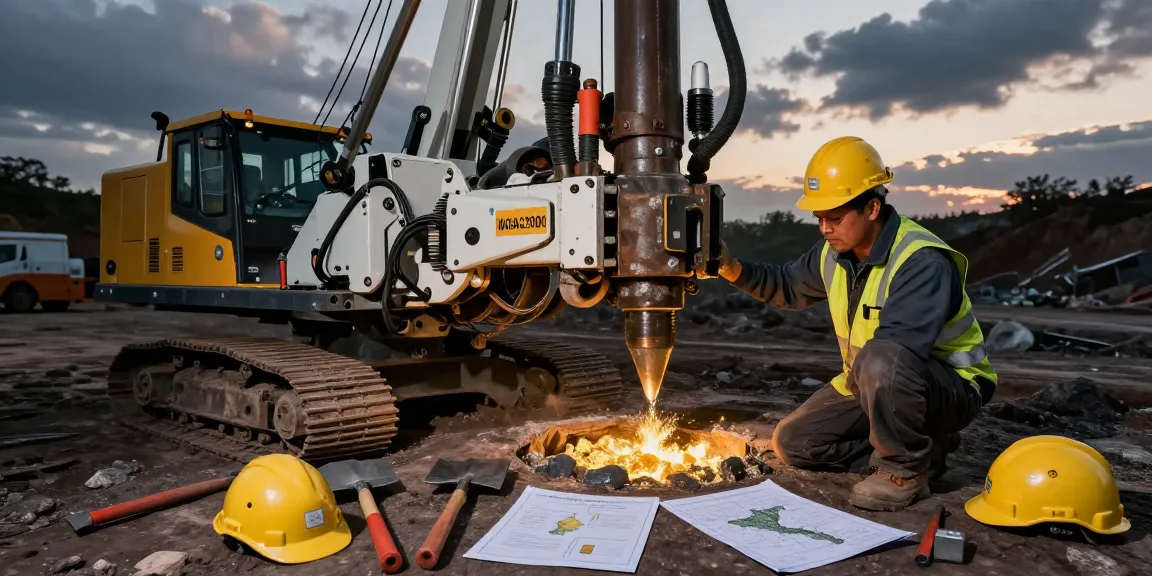
- Construction Hauling: In construction, hauling services often cover the delivery of raw materials and the removal of debris and waste from job sites.
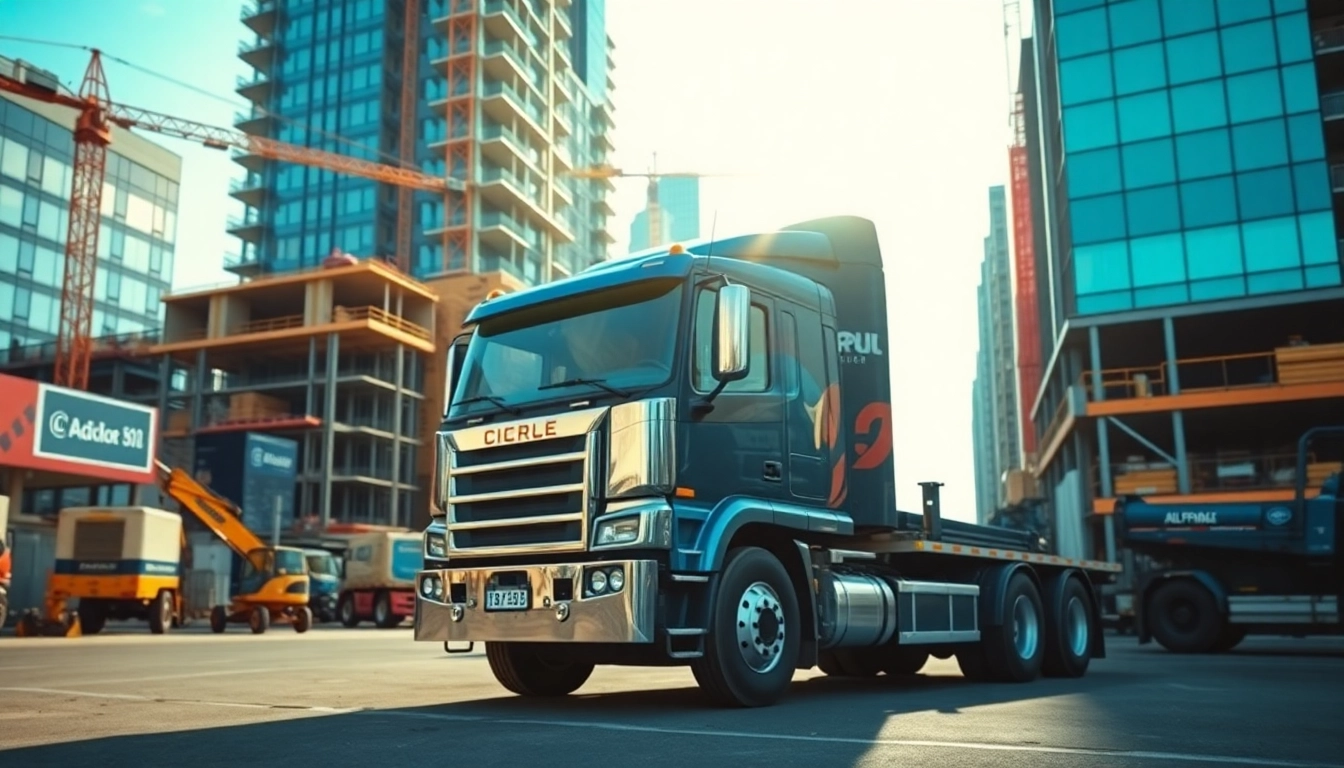
- Heavy Hauling: This specialized hauling involves transporting oversized equipment and cargo that requires particular trailers and permits.
- Local and Long-Distance Hauling: Based on the distance, hauling can be categorized as local (within the same area) or long-distance (between states or cities).
Hauling Equipment Overview
To facilitate hauling services, various types of equipment are utilized. Understanding the equipment can significantly enhance efficiency and safety. Common hauling equipment includes:
- Trucks: Heavy-duty trucks are the most commonly used vehicles for hauling services, catering to various payloads and requirements.
- Trailers: Different types of trailers, such as flatbeds and enclosed trailers, are used based on the cargo type.
- Cranes: For heavy lifting, cranes are sometimes necessary in construction and industrial hauling.
- Dumpsters: Used primarily for construction and waste removal, providing a way to collect and transport waste efficiently.
Challenges in Hauling Operations
Urban Infrastructure Limitations
Hauling operations in urban areas face unique challenges due to infrastructure limitations. Narrow streets, traffic congestion, and restricted access to certain areas can complicate the timely pickup and delivery of goods. Often, hauling companies must strategize routes and schedules post-peak hours to minimize delays.
Weather and Environmental Considerations
Weather conditions can severely impact hauling operations. Heavy rain, snow, or extreme heat can raise safety concerns for drivers, necessitate additional precautions, or even halt operations altogether. Furthermore, companies must be mindful of environmental regulations that dictate how certain materials should be transported and disposed of.
Regulatory Compliance in Hauling
Compliance with local, state, and federal regulations adds another layer of complexity to hauling operations. Drivers and companies must adhere to guidelines related to weight limits, load securing, and hazardous material transportation. Non-compliance can not only lead to fines but also pose risks to public safety.
Best Practices for Efficient Hauling
Route Optimization Techniques
Efficient hauling operations rely heavily on optimizing routes to reduce fuel consumption and time spent on the road. Implementing GPS technologies and routing software can significantly improve operational efficiency. Haulers should take into account factors like traffic patterns, road conditions, and construction activities along routes.
Maintenance of Hauling Equipment
Regular maintenance of hauling equipment is crucial to avoid breakdowns and ensure safety on the road. Establishing a maintenance schedule that includes inspections, repairs, and servicing can prevent disruptions in hauling operations. Additionally, well-maintained equipment is often more efficient, improving overall operational costs.
Effective Communication within Teams
Successful hauling operations depend on clear communication among team members. Utilizing collaborative tools and platforms ensures that everyone involved in the process is updated in real-time about schedules, challenges, and changes. This cohesion leads to faster decision-making and smoother operations.
Technologies Transforming Hauling
GPS and Fleet Management Systems
The implementation of GPS and fleet management systems revolutionizes the hauling industry. These technologies provide companies with real-time data on vehicle location, allowing for better resource allocation and increased operational efficiencies. Fleet tracking also aids in regulatory compliance and enhances overall service reliability.
Innovative Hauling Software Solutions
Hauling software solutions have emerged to streamline operations, from scheduling to billing. These platforms often feature user-friendly interfaces, allowing for quick updates and tracking of loads. By integrating invoicing, route planning, and customer relationship management, such software can significantly reduce administrative burdens.
The Role of Drones in Hauling
While still in its infancy, the role of drones in hauling is gaining traction, particularly in handling smaller deliveries and surveying sites for construction activities. Drones can access difficult terrains and provide aerial views to assist route planning, thereby reducing risk and enhancing efficiency.
Monitoring Performance and Metrics in Hauling
Key Performance Indicators (KPIs) for Hauling
Establishing key performance indicators (KPIs) is vital for assessing hauling operations' efficiency. Common KPIs include on-time delivery rates, fuel efficiency, and equipment utilization rates. Tracking these metrics helps identify bottlenecks and inefficiencies, guiding improvements.
Tools for Performance Analytics
Utilizing data analytics tools can provide valuable insights into hauling performance. From operational dashboards to more complex data visualization software, companies can analyze trends and performance metrics to make data-driven decisions that enhance efficiency and profitability.
Continuous Improvement Strategies in Hauling
A continuous improvement approach in hauling operations encourages businesses to regularly assess and refine their processes. Adopting methodologies such as lean management or Six Sigma can help teams identify waste and inefficiencies, leading to improved operational performance over time.
FAQs
What industries commonly require hauling services?
Industries such as construction, logistics, waste management, and retail frequently require hauling services to transport materials and goods.
What are the typical challenges faced in hauling?
Challenges include urban infrastructure limitations, adverse weather conditions, and strict regulatory compliance, all of which can complicate hauling operations.
How can I optimize my hauling routes?
Using GPS and routing software can provide real-time data on traffic and conditions, helping optimize routes for efficiency and cost savings.
What types of equipment are essential for hauling?
Essential equipment includes trucks, trailers, cranes, and dumpsters. Proper equipment is necessary for efficient and safe hauling operations.
How can performance in hauling be measured?
Performance can be measured using KPIs such as on-time delivery rates, fuel consumption, and maintenance costs, providing insights into operational efficiency.
Contact Information
Call Us:4062607988Address: 3906 MT-40, Columbia Falls, MT 59912