Understanding the Importance of Screen-Free Play
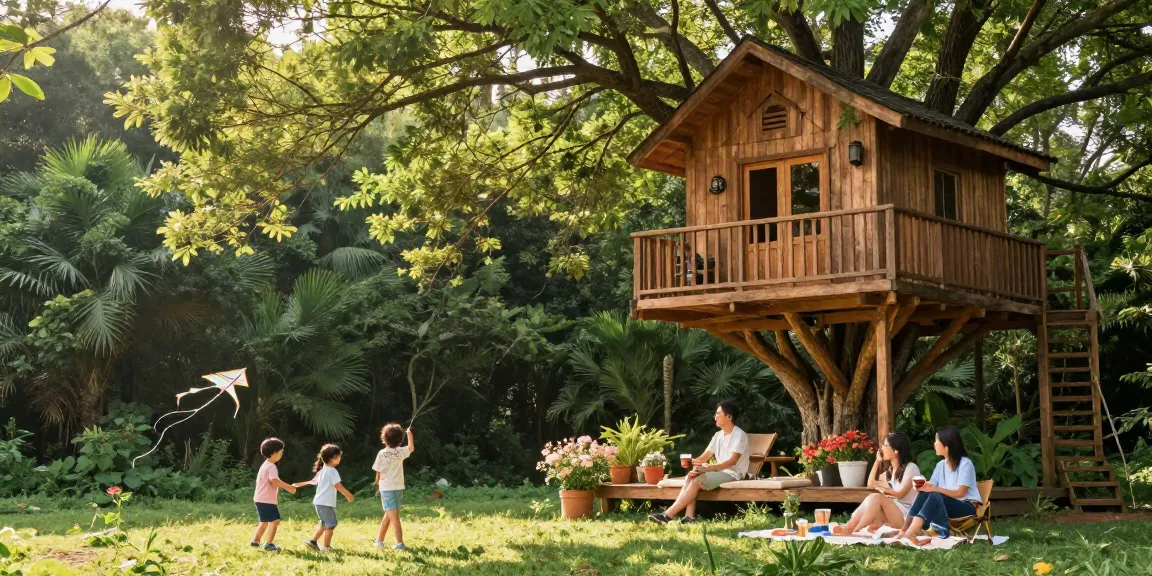
In our increasingly digital world, where screens capture children's attention from a very young age, the significance of screen-free play cannot be overstated. Engaging in play that doesn't involve screens is vital for a child's holistic development. This type of play not only nurtures individual creativity but also fosters social interactions and cognitive skills in ways that digital experiences often cannot match. For those looking to explore quality screen-free options, be sure to visit the website to discover a range of toys that inspire innovative play.
Benefits of Reducing Screen Time
Reducing screen time can significantly benefit children's physical and mental health. Research shows that excessive screen exposure is associated with a variety of developmental issues, including difficulties with attention, social skills, and overall emotional well-being. Children experiencing screen withdrawal often show an increase in imaginative play and greater engagement with physical activities. This transference fosters better health, with improved sleep patterns and reduced anxiety or mood disorders, marking a clear correlation between reduced screen time and enhanced child welfare.
The Role of Imagination in Child Development
Imagination plays a crucial role in a child's cognitive and emotional development. Screen-free play allows children to harness their creativity by turning mundane objects into fantastical characters and worlds. Crafting stories and scenarios during playtime enhances narrative skills while also developing problem-solving abilities. Additionally, imaginative play encourages empathy as children often take on various roles that help them understand different perspectives. By engaging in screen-free activities, children can improve their cognitive flexibility, emotional intelligence, and social capabilities, equipping them for future challenges.
Creating a Balanced Play Environment
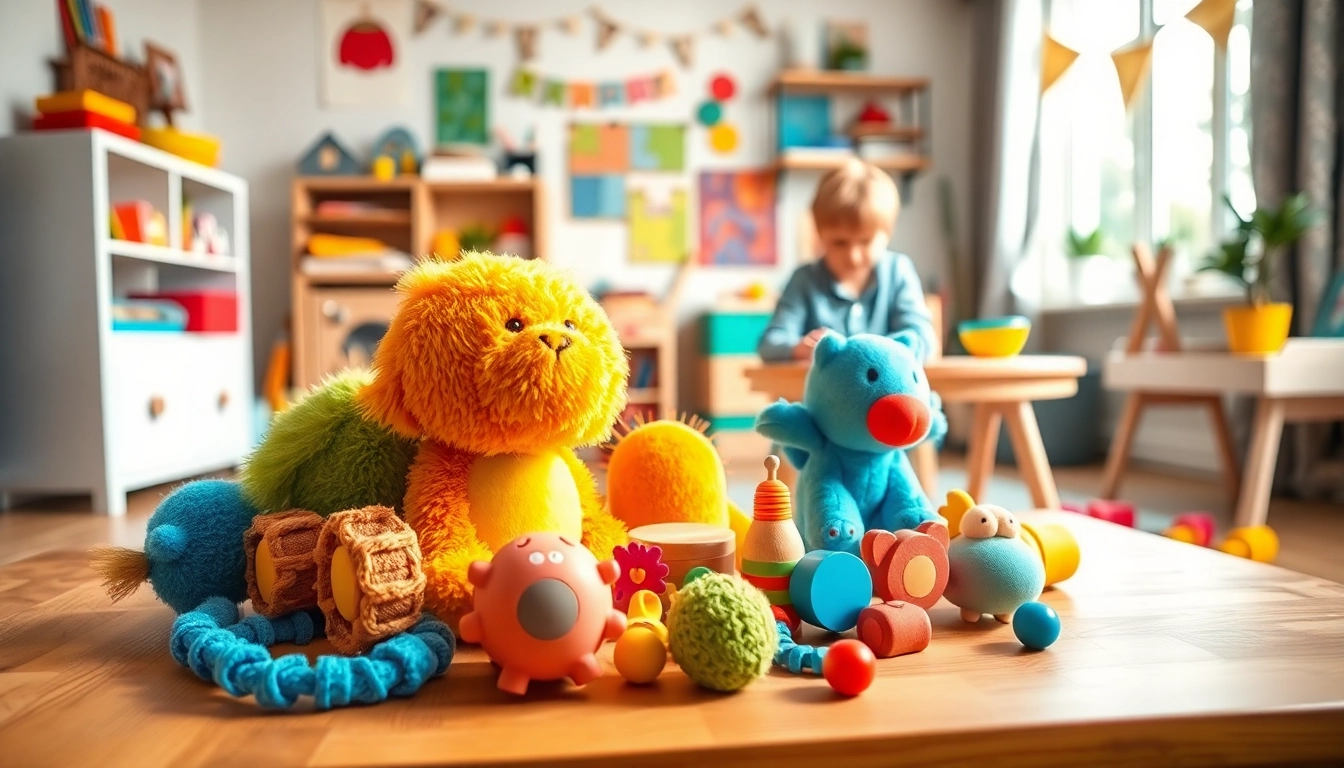
A balanced play environment integrates diverse activities that stimulate different areas of development. This can be achieved by offering various types of screen-free toys that promote fine motor skills, creativity, and problem-solving. Additionally, establishing designated play areas can help children transition away from screen-based entertainment. Including natural light, comfortable seating, and accessible toy storage effectively enhances the play environment. Such configurations encourage spontaneous and independent play while allowing children the freedom to explore without reliance on technology.
Top Picks for Screen-Free Toys
Fine Motor Skill Builders
Toys designed to enhance fine motor skills are essential for young children as these skills are crucial for everyday tasks such as writing, buttoning clothing, and more. Some top choices include building sets, threading toys, and puzzles. These activities not only strengthen the small muscles in the hands and fingers but also improve hand-eye coordination and concentration. Parents and caregivers can look for innovative toys featuring colorful designs that appeal to children's interests, igniting enthusiasm in skill-building activities. Examples include construction blocks that require intricate assembly or arts and crafts kits that involve cutting, gluing, and assembling different components.
Creative Play Ideas with Toys
Creative play goes beyond mere amusement; it cultivates critical thinking and the capacity for innovation. Encourage creative endeavors with arts and crafts, where children can create their masterpieces using various materials such as clay, paint, and recycled household items. Providing open-ended toys, like building blocks, allows for endless construction possibilities, enabling children to explore their imagination without predefined limits. Moreover, engaging in role-play with dolls, action figures, or puppet theaters can help children narrate stories and express their emotions, bridging imagination with real-life experiences.
DIY Projects for Hours of Fun
DIY projects are a fantastic way to encourage creativity and hands-on skills in children. Simple projects like creating models from cardboard, building birdhouses, or designing personal storybooks can captivate young minds. These projects often require basic materials easily found at home, promoting sustainability and resourcefulness. More importantly, they encourage parents and children to collaborate, fostering stronger familial bonds while learning together. Additionally, DIY crafts boost problem-solving skills since children must plan and execute their ideas, overcoming obstacles they might face along the way.
How to Encourage Screen-Free Playtime at Home
Setting Up Engaging Play Spaces
Create an inviting space for screen-free play by dedicating an area in your home solely for this purpose. It should be a combination of comfort and inspiration, featuring a variety of play materials accessible to children. Make the space visually appealing with bright colors, soft seating, and diverse play objects. It's essential to involve children in setting up this space, allowing them to contribute and express their preferences, which instills a sense of ownership over their play environment. Regularly update the play materials and rotate toys to maintain interest and engagement.
Incorporating Screen-Free Toys Into Daily Routines
Integrating screen-free toys into daily routines can help establish a rhythm while encouraging engagement. For instance, designate specific times for play after school or during weekends—these periods can be accompanied by transitions such as setting aside screens for a certain length of time before or after meals. Involve children in your chores by combining tasks with play. Simple gardening or organizing can transform into play scenarios where children feel part of the process, effectively blending responsibilities with joyful experiences.
Involving the Family in Creative Play
Family engagement in creative play is beneficial for developing strong relationships and communication. Organize periodic family game nights where everyone participates in board games, puzzles, or creative challenges. This not only makes playtime a more social experience but also sets an example for children about the importance of interaction. Create family crafts where everyone contributes their creativity or even a storytelling night where family members narrate tales, providing a unique opportunity for collaboration while enjoying quality time together.
Measuring the Impact of Screen-Free Play
Observing Changes in Behavior and Skills
Tracking the impact of reduced screen time through observational tools can provide valuable insights into children's behavioral and developmental changes. Parents might notice improved social skills as their children interact more with peers and engage in cooperative play. Fostering creativity can be evident through the innovative games developed and the imaginative stories told by children in their free time. Significantly, some children experience heightened focus and a calming demeanor after engaging in screen-free activities, which can be observed during playtime or quiet moments.
Feedback from Parents and Caregivers
Collecting feedback from parents and caregivers can furnish further understanding regarding the practicality and advantages of screen-free play. Through surveys, interviews, or casual conversations, caregivers can share their observations on children's behavior, adjustments in social interactions, and overall improvements in emotional health. Parents should communicate openly, creating a channel to discuss challenges and share successful techniques in order to foster a community of shared learning and experiences.
Tracking Progress Over Time
Journaling children's activities can be an effective method for tracking their progress over time. Caregivers can record different types of play, including the duration and frequency of playtime. Behavioral changes can be noted as milestones are reached, whether it involves advanced fine motor skills, social interaction improvements, or creative storytelling abilities. This documented progress serves as a reminder of how far children have come, providing motivation to continue prioritizing screen-free play despite daily challenges.
FAQs About Screen-Free Toys and Play
What are the best screen-free toys for young children?
Look for toys that encourage creative play and fine motor skills, such as building blocks and art supplies.
How do screen-free toys benefit child development?
They foster creativity, improve motor skills, and promote social interaction without distractions from screens.
Can screen-free play help with attention issues?
Yes, engaging in hands-on activities can enhance focus and reduce reliance on screens over time.
How much screen time is too much for kids?
Experts recommend limiting screen time to about 1 hour per day for children ages 2 to 5 years.
What activities can complement screen-free toys?
Outdoor play, reading, and family game nights are great activities that enhance a child's play experience.