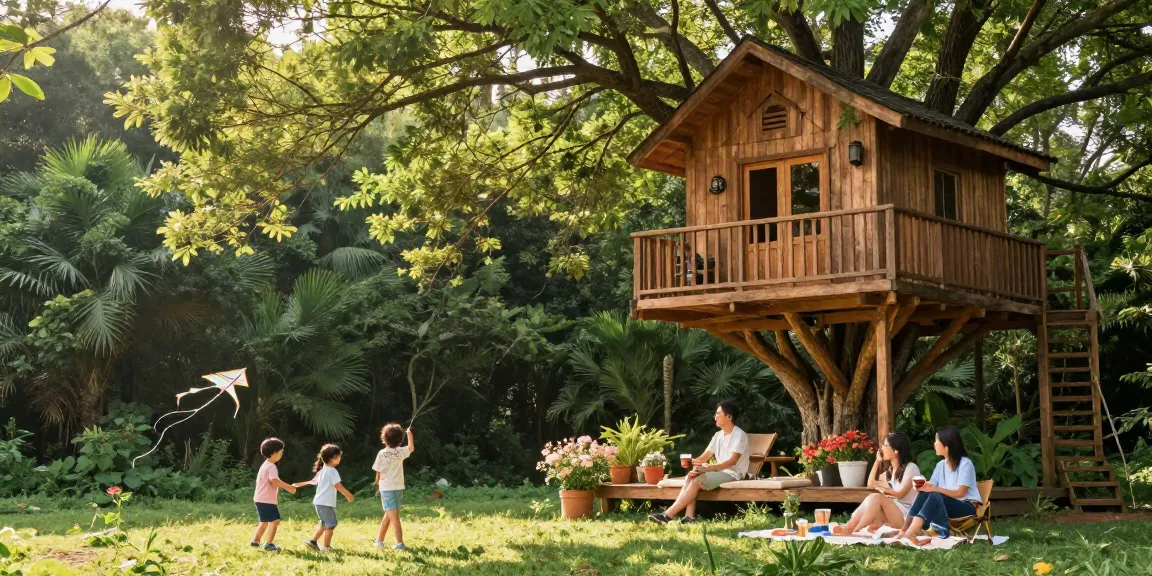
Understanding Treehouses: A Brief Introduction
The charm of treehouses has captivated people for generations, serving as a nostalgic reminder of childhood dreams and adventures. These elevated structures provide not only a unique living space but also a sanctuary in nature, blending comfort with the allure of the outdoors. In recent years, treehouses have transcended their traditional roles, transforming into luxurious escapes, creative play zones for families, and even architectural marvels. This article delves into the multifaceted world of treehouses, exploring their evolution, design considerations, and the myriad ways they can enrich family life.
What are Treehouses?
Treehouses are structures built in, around, or among the trunks and branches of trees. Ranging from simple wooden platforms to elaborate constructions complete with electricity and plumbing, treehouses serve various purposes. They can be sanctuaries for children, art studios, or even guest accommodation. Their design often reflects the surrounding environment, harmonising with nature while providing a unique perspective from above. The allure of treehouses lies in their ability to evoke a sense of adventure and creativity, creating memorable experiences for those fortunate enough to dwell amongst the branches.
The Evolution of Treehouses Over Time
Historically, treehouses served practical purposes, often acting as lookout points or shelters within hunter-gatherer societies. As time progressed, they transitioned into symbols of childhood imagination, featured prominently in literature and film. The last few decades have witnessed a significant transformation, with treehouses evolving into luxurious retreats. Innovative designs incorporate modern amenities such as internet access, running water, and gourmet kitchens, appealing not just to children, but to adults seeking a connection with nature without sacrificing comfort.
Why Treehouses Are Gaining Popularity
The rising popularity of treehouses can be attributed to various factors, including a growing desire for unique holiday experiences and a trend towards eco-friendly living. Many families are now opting for treehouse accommodations that provide an immersive experience in nature, promoting sustainability and environmental consciousness. Additionally, the covid-19 pandemic has shifted preferences toward outdoor experiences, making treehouses an attractive getaway option. Their ability to foster connection and creativity continues to resonate with families looking to escape the hustle and bustle of everyday life.
Designing Your Dream Treehouse
Key Considerations for Treehouse Design
Designing the perfect treehouse requires careful planning and consideration. Begin by assessing your intended use—whether it’s for play, relaxation, or as a guest space. Also, factor in the size and layout. A well-designed treehouse should complement the natural surroundings while enhancing usability. Attention to aesthetics is important; many opt for materials that blend seamlessly with the foliage. Of course, safety must be paramount; ensuring the structure can withstand weather conditions and support its occupants is crucial to the design process.
Choosing the Right Location and Trees
Location is fundamentally important when it comes to building a treehouse. Ideal trees should be mature and healthy, with strong trunks and branches that provide a solid foundation. American hardwoods, such as oak, maple, and cedar, are excellent choices due to their strength and durability. When selecting the site, consider factors such as sunlight, wind exposure, and proximity to other trees. The location should enhance the treehouse experience, offering ample shade and a beautiful view, while ensuring safety from potential hazards.
Materials and Safety Features for Treehouses
Choosing the right materials is essential for both safety and longevity. Pressure-treated lumber is commonly used for the structure, while weather-resistant materials are ideal for roofing. Incorporate safety features such as sturdy railings, secure ladders, and stable flooring to enhance the safety of the treehouse. In addition, consider non-slip finishes for climbing surfaces and a robust support system to withstand storms and heavy winds. These considerations will ensure that your treehouse remains a safe haven for years to come.
Treehouses for Families: Activities and Uses
Recreational Activities to Enjoy in Treehouses
Treehouses can serve as multifunctional spaces for families, providing a venue for countless activities. From hosting tea parties to sleepovers or reading nooks, they foster creativity and imagination. Simple games like hide and seek or tag can transform into exhilarating adventures among the branches. Additionally, treehouses can serve as perfect vantage points for birdwatching, allowing families to connect with nature and develop an appreciation for wildlife.
Creative Uses for Treehouses in Family Life
Beyond recreation, treehouses can play a role in family bonding and learning. They can be used as outdoor classrooms, where children learn about nature and the environment in an engaging setting. Families can create art studios or dedicated spaces for hobbies, allowing for personal expression and creativity. Some parents even choose to utilise their treehouses as quiet retreats for work or relaxation, providing a much-needed escape from the daily grind.
Incorporating Nature-Based Learning in Treehouses
Nature-based learning has seen a surge in popularity, and treehouses provide an ideal environment to cultivate this educational approach. Families can engage in science projects, such as observing local flora and fauna, measuring tree growth, or even conducting simple experiments with natural materials. Incorporating activities like gardening or creating wildlife habitats can further enrich the learning experience, fostering a deep appreciation for nature and sustainability among children.
Building Your Treehouse: A Step-by-Step Guide
Planning and Preparing for Construction
Before embarking on the construction of your dream treehouse, thorough planning is essential. Start by establishing a budget, considering both materials and tools, as well as potential labour costs if hiring professionals. Next, secure necessary permits or approvals, as local regulations can impact your project. Careful planning will ensure a smoother construction process, prevent costly mistakes, and allow for a structured timeline.
Essential Tools and Materials Needed
Gathering the right tools and materials is integral to the treehouse building process. Essential tools include a saw, drill, hammer, level, measuring tape, and safety equipment such as goggles and gloves. For the structure, pressure-treated wood, screws, brackets, and weather-resistant roofing materials will be necessary. Investing in quality materials not only guarantees a sturdy build but also extends the lifespan of your treehouse.
DIY vs. Hiring Professionals for Treehouse Construction
Deciding whether to tackle a treehouse build as a DIY project or hire professionals largely depends on your skill level and the complexity of the design. DIY builds can be rewarding, allowing for personalisation and creativity, while also being cost-effective. Conversely, hiring professionals ensures a higher level of expertise, particularly for complex designs requiring engineering knowledge. Carefully evaluate your comfort level and project scope to make the best decision for your family.
The Future of Treehouses: Trends and Innovations for 2026
Sustainable Treehouse Designs and Practices
As sustainability becomes increasingly vital, future treehouse designs are expected to focus on eco-friendly materials and practices. Innovations such as solar panels, rainwater harvesting systems, and natural insulation materials will likely become common features in new builds. Emphasising a low environmental impact while blending seamlessly with nature will be key to the treehouse of the future.
The Role of Technology in Modern Treehouses
In a world heavily influenced by technology, modern treehouses are integrating smart home features such as solar energy systems, smart lighting, and climate control. These technologies enhance comfort and efficiency while allowing homeowners to maintain a connection with nature. The incorporation of modern conveniences within a natural setting provides a unique blend of rustic charm and contemporary living.
Predictions for Treehouses in Family Culture and Leisure
As family dynamics evolve, treehouses are expected to continue playing a pivotal role in leisure and bonding. With an increasing appreciation for outdoor experiences, treehouses will likely become sought-after family retreats. They can provide a space for families to disconnect from technology and connect with each other, cultivating memories that last a lifetime. Additionally, the trend towards staycations may lead to more families choosing to build treehouses on their properties as unique getaways.
What are the costs associated with building a treehouse?
The costs associated with building a treehouse can vary widely based on size, materials, and design complexity. On average, a basic treehouse can range from £1,000 to £5,000, while more elaborate designs with amenities can exceed £20,000. Factors such as location, labour costs, and necessary permits also play significant roles in the overall expenses involved.
Are treehouses safe for children?
Safety is a paramount concern when it comes to treehouses, particularly for children. When constructed with care and adhering to safety standards, treehouses can be safe and enjoyable spaces. Essential safety measures include sturdy railings, secure ladders, and regular maintenance checks to ensure the structure remains sound. With the right precautions, treehouses can provide a fun and secure environment for children to explore.
What materials are best for building a treehouse?
When building a treehouse, selecting the right materials is essential for durability and safety. Pressure-treated wood is commonly used for structural elements, while weather-resistant materials are recommended for roofing. Additionally, eco-friendly options such as reclaimed wood or sustainably sourced timber are becoming increasingly popular, appealing to environmentally conscious builders.
Can you rent treehouses for vacation?
Yes, many treehouses are available for rent as unique holiday accommodations. Numerous locations worldwide offer luxurious treehouse lodgings complete with modern amenities, allowing guests to experience the beauty of nature without sacrificing comfort. These rentals provide an ideal escape for families or couples seeking a romantic getaway amidst the treetops.
How do you maintain a treehouse?
Maintaining a treehouse is critical to ensuring its longevity and safety. Regular inspections should be performed to check for structural integrity, signs of wear, or damage from pests. Cleaning gutters and ensuring proper drainage will help prevent water damage, while treating wooden surfaces with protective coatings can extend their lifespan. Routine maintenance will keep your treehouse in top condition for years to come.