Understanding the Genie Lift and Its Benefits
In the realm of construction and heavy lifting, the genie lift has become a popular choice due to its versatility and efficiency. Designed for a variety of tasks, these aerial lifts are integral to both large-scale projects and smaller jobs. Understanding the unique features and benefits of genie lifts can aid in maximizing productivity and ensuring safety on the job site.
What is a genie lift?
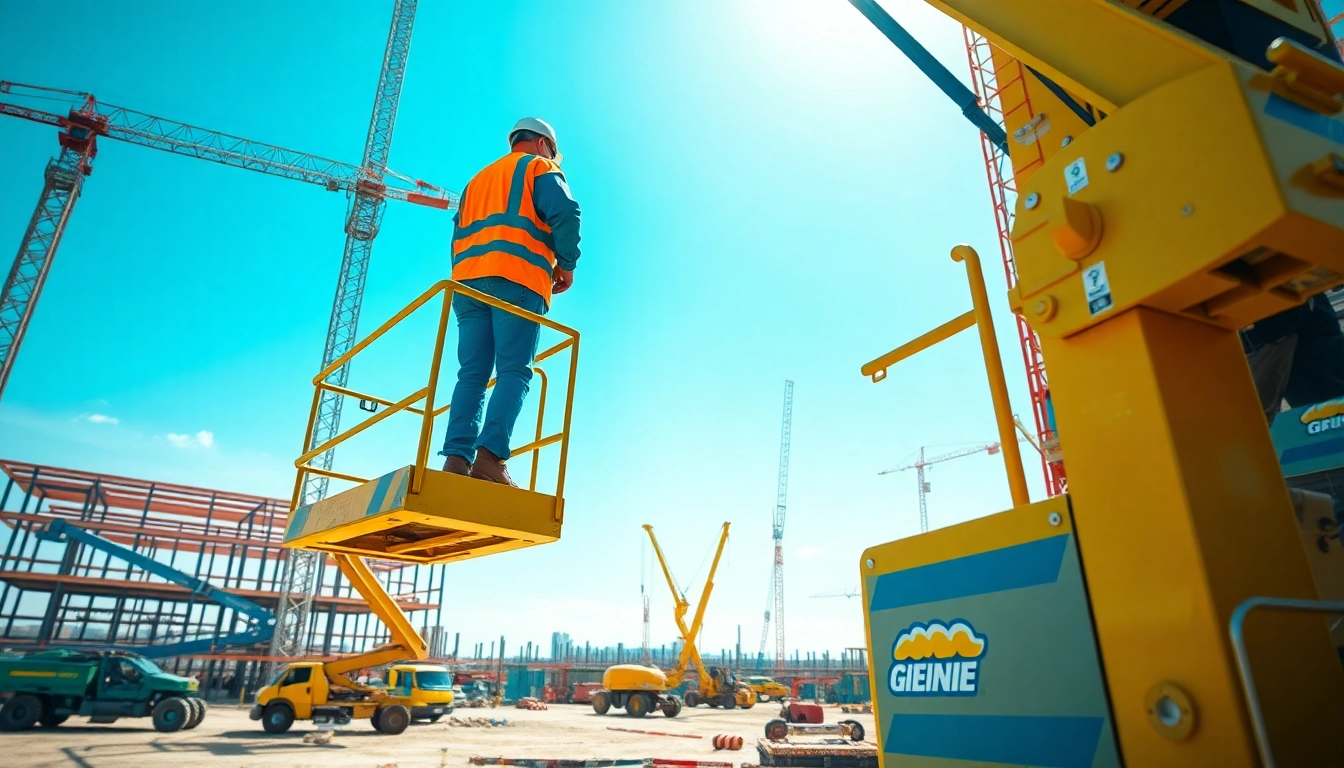
A genie lift is an advanced piece of aerial equipment that is used primarily to elevate workers and materials to significant heights. Available in several types, including scissor lifts and boom lifts, genie lifts enable access to areas that are otherwise challenging to reach. They are essential in sectors such as construction, maintenance, and logistics, offering agility and capabilities that cater to various environments.
Key features of the genie lift
- Height Variability: With models designed to reach different elevations, genie lifts can accommodate a wide range of tasks—from installing ceiling fixtures in warehouses to outdoor maintenance on tall buildings.
- Weight Capacity: Depending on the model, genie lifts can handle significant weight loads, ensuring that multiple workers or heavy materials can be safely transported.
- Maneuverability: Designed for both indoor and outdoor use, many genie lifts possess features such as compact designs and tight turning radii.
- Safety Systems: Incorporating advanced safety technology, these lifts ensure operator and worker safety through features like automatic shut-off functions and stabilization systems.
- Ease of Operation: User-friendly controls and intuitive designs make it simple for operators, even those with limited experience, to navigate and use these lifts effectively.
Advantages in various industries
Genie lifts are employed across numerous industries because of their diverse applications:
- Construction: Ideal for high-rise building projects where scaffolding may be impractical.
- Warehousing: Useful for inventory management, enabling stock to be accessed in high storage spaces.
- Film and Theatre Production: Employed to access rigs and lighting that are situated at significant heights.
- Maintenance and HVAC: Essential for servicing equipment in high ceilings and hard-to-reach areas.
Choosing the Right Genie Lift for Your Needs
Selecting the appropriate genie lift model is crucial to ensure safety, efficiency, and task adequacy. Here are key considerations that can aid in making the right choice.
Types of genie lifts available
Genie lifts can be categorized primarily into two types—boom lifts and scissor lifts:
- Boom Lifts: These are designed for vertical as well as horizontal reach, ideal for reaching over obstacles.
- Scissor Lifts: Best suited for tasks that require stability and an elevated platform, commonly used in straightforward vertical work.
Evaluating weight capacity and height
Different tasks will demand different height capacities and weight allowances. It is essential to check the specifications of the genie lift:
- Weight Capacity: Understanding the load-bearing limit is crucial for safety. Verify that your choice can accommodate the workers and materials involved.
- Height Reach: Assess the task height to determine the necessary lift height. Ensuring the lift can surpass the task height is critical.
Factors to consider for specific tasks
Before proceeding with a purchase or rental, keep in mind:
- Terrain: Assess the ground conditions where the lift will be operated. Some lifts are designed for rough terrains, while others are suited for smooth surfaces.
- Space Constraints: Evaluate the workspace dimensions to ensure the chosen lift can maneuver effectively.
- Power Source: Decide between electric or diesel-powered units based on the setting. Electric units are suitable for indoor use, while diesel units work well outdoors.
Proper Operation and Safety Practices for Genie Lifts
Ensuring the safe operation of genie lifts helps prevent accidents and promotes a secure working environment. Below are critical operational and safety practices.
Basic operating procedures
- Before commencing use, conduct a thorough inspection of the genie lift to ensure all operational components are in working order.
- Always use the lift on stable ground and avoid overloading it beyond its rated capacity.
- Ensure all workers are aware of the lift's operating area and maintain a safe distance when the lift is in operation.
Safety checks before use
Performing safety checks is an essential component of effective genie lift operation:
- Inspect the Lift: Verify all mechanical and electrical systems are functioning correctly, including emergency brakes and controls.
- Check the Work Area: Ensure the area has been cleared of hazards and that the ground is even and capable of supporting the lift.
Common hazards and how to avoid them
Awareness of potential hazards associated with genie lift operation is vital:
- Falling Objects: Implement safety nets or barriers to deter items from falling onto workers below.
- Unstable Ground: Examine the terrain and avoid unsettling environments, using stabilizers when necessary.
- Inaccurate Load Distribution: Properly distribute loads to prevent tipping or loss of balance during operations.
Maintenance Tips for Longevity of Your Genie Lift
Regular maintenance and care can significantly extend the lifespan of your genie lift, maximizing your investment.
Regular inspection guidelines
Establishing a routine inspection schedule is vital. Regularly check key components:
- Hydraulic systems
- Brakes and steering
- Electrical connections
Common maintenance practices
Regular maintenance tasks include:
- Cleaning the lift regularly to prevent dust buildup.
- Lubricating parts to reduce wear and tear.
- Updating safety decals and ensuring they are visible.
When to seek professional servicing
If any irregularities are detected during inspections, or if the lift shows signs of distress, involve a certified technician for servicing. Consider scheduling a professional inspection annually or bi-annually based on usage frequency.
Frequently Asked Questions about Genie Lifts
What is the average cost of a genie lift?
The cost of a genie lift can vary greatly based on model, features, and the rental or purchase option chosen. On average, prices range from a few thousand dollars to tens of thousands.
Are genie lifts safe for outdoor use?
Yes, many genie lifts are designed for outdoor use, but it's crucial to select models that are rated for rough terrain when necessary.
How high can different models of genie lifts reach?
Genie lifts can reach heights from around 20 feet to over 180 feet, varying by model type and specifications, allowing for a wide range of applications.
Can I rent a genie lift?
Yes, genie lifts are available for rent from numerous equipment rental places, providing flexibility for short-term projects without the commitment of buying.
What training is required to operate a genie lift?
Operators should receive proper training that covers safety procedures, operational controls, and maintenance checks to ensure successful and safe lift operation.